Blog
Planning a trip to Australia from the UK involves far more than booking flights and packing sunscreen. From understanding the nuances of the eVisitor visa system to navigating Australia’s unique biosecurity laws, British travellers face a distinct set of challenges that require careful preparation.
Australia operates under strict entry requirements that can catch even seasoned travellers off guard. A seemingly innocent sandwich in your carry-on could result in fines exceeding $2,664 AUD, while a minor passport issue might see you denied boarding entirely. Meanwhile, the country’s extreme weather—from tropical cyclones in the north to sudden temperature drops in Sydney—demands timing your visit with precision.
This comprehensive resource addresses the key concerns British travellers encounter when planning their Australian adventure. Whether you’re budgeting for a three-week journey, wondering which passport to use as a dual citizen, or trying to understand how the NHS reciprocal agreement works Down Under, the following sections break down everything you need to know before departure.
How Does the eVisitor Visa Work for UK Citizens?
The eVisitor visa (Subclass 651) serves as the primary entry authorisation for British citizens visiting Australia for tourism or business. Unlike many visa systems, this electronic authorisation is free when applied through official government channels—yet many travellers unknowingly pay £50 or more through third-party websites that add unnecessary fees.
Processing Times and Common Delays
While marketed as instant, eVisitor applications can take up to three days or longer for processing. Several factors trigger extended reviews:
- Previous visa refusals to any country
- Criminal record disclosures, including drink driving offences
- Incomplete or inconsistent application information
- Name discrepancies between documents
Fixing Errors After Submission
Typos in your passport number or personal details create significant complications. Once submitted, correcting an eVisitor application requires contacting the Department of Home Affairs directly, and in some cases, submitting an entirely new application. Double-checking every character before submission saves considerable stress.
Special Circumstances: Dual Citizens and Visa Runs
Dual citizens face a specific question: which passport should be used for the eVisitor? Australian citizens must always enter on their Australian passport, while those holding two non-Australian passports should apply using the passport they intend to present at the border.
The concept of visa runs—flying to New Zealand and back to reset your stay—operates within specific rules. Each eVisitor allows stays of up to three months per entry, but attempting to live permanently through repeated entries raises red flags with immigration officials.
What Passport Rules Affect Entry to Australia?
Australian border requirements extend beyond simply holding a valid passport. Several myths and genuine regulations create confusion for British travellers preparing their documents.
The Six-Month Validity Myth
Contrary to popular belief, Australia does not require British passports to have six months validity remaining. However, your passport must be valid for the duration of your intended stay. Airlines sometimes enforce stricter policies than governments, so checking with your carrier remains essential.
Damaged, Emergency and Child Passports
Water damage, even a slightly smudged photo page, can result in denied boarding. Airlines and immigration officials cannot verify your identity against an unclear image, regardless of whether the passport remains technically valid.
Emergency travel documents present another consideration. Australia accepts cream-coloured temporary British passports, but restrictions apply—verify current requirements before relying on emergency documentation. Child passports expire after five years rather than ten, catching many families off guard when planning trips.
SmartGates and Automated Processing
Australia’s SmartGate system allows eligible passport holders to clear immigration automatically. However, certain passports trigger rejections:
- Passports too close to expiration
- Documents with physical damage
- Chip reading errors
- Passengers requiring additional screening
When SmartGate fails, you’ll be directed to a manual processing queue—an inconvenience, but not a denial of entry.
When Is the Best Time to Visit Australia?
Australia’s vast geography means conditions vary dramatically by region and season. British travellers balancing school holidays, weather preferences and budget constraints face complex timing decisions.
Wet Season Considerations
The tropical north experiences its wet season from November through April, bringing potential cyclones, flooding and road closures. A planned Darwin trip in January might encounter severe weather, with the famous rule applying even to 4WD vehicles: if it’s flooded, forget it. Flooded roads conceal hazards that claim lives every year.
Humidity during this period also affects belongings—mould can develop in luggage surprisingly quickly, damaging clothing and electronics. Proper packing strategies and ventilated storage become essential in tropical regions.
Bushfire Season and Fire Danger Ratings
Summer months bring elevated bushfire risk across much of southern Australia. Understanding Fire Danger Rating signs—displayed prominently throughout affected regions—helps travellers make informed decisions about activities and routes. Ratings range from Low-Moderate through to Catastrophic, with each level carrying specific behavioural recommendations.
Winter Activities and Weather Surprises
Australian ski season runs from June through September, with July and August offering the most reliable snow cover. For British visitors accustomed to European ski seasons, this timing represents a complete reversal.
Sudden weather changes characterise much of Australia. The famous Southerly Buster can drop Sydney temperatures by 20 degrees Celsius within hours, transforming a summer afternoon into jacket weather without warning.
Navigating Customs and Biosecurity
Australia maintains some of the world’s strictest biosecurity regulations, and violations carry severe penalties regardless of intent.
What You Must Declare at the Border
Fresh food items, including that airplane sandwich you forgot to finish, can trigger substantial fines for undeclared biosecurity risks. Australia’s isolation has preserved unique ecosystems, making the country extremely protective against introduced pests and diseases.
Items requiring declaration include:
- All food, including snacks and confectionery
- Plant materials, including wooden souvenirs
- Animal products, including leather goods
- Soil on shoes or camping equipment
- Medicines and herbal supplements
When uncertain, declare everything. Declaring an item that turns out to be permitted carries no penalty; failing to declare prohibited items guarantees consequences.
How Does Healthcare Work for British Visitors?
The Reciprocal Health Care Agreement between Australia and the UK provides British citizens with access to Medicare, Australia’s public health system, for medically necessary treatment. This arrangement mirrors the NHS principle of treatment based on need rather than ability to pay.
However, significant limitations apply. Medicare covers visits to bulk-billing GPs and public hospital treatment, but excludes:
- Ambulance services (extremely expensive in Australia)
- Dental treatment
- Repatriation costs
- Pre-existing condition management in some circumstances
Comprehensive travel insurance remains essential despite Medicare eligibility, particularly for coverage of emergency evacuation and private hospital care.
Planning Your Budget and Flight Options
A three-week Australian adventure from the UK can be achieved for under £4,000 with careful planning. The largest expense typically involves flights, where choosing between carriers like Qantas and Emirates affects not just price but overall experience.
Families benefit from considering stopover options—breaking the approximately 22-hour journey provides rest and adds destination value. Dubai, Singapore and Hong Kong represent popular intermediate stops, each offering distinct advantages for different travel styles.
Accommodation choices, seasonal timing and regional selections dramatically affect total costs. Travelling during Australian shoulder seasons often delivers the best value while avoiding both peak crowds and extreme weather challenges.
Each topic explored above connects to detailed resources addressing specific scenarios and questions. Whether you’re calculating a realistic budget, navigating onward ticket requirements, or understanding exactly what happens if your ETA application faces delays, deeper guidance awaits in the dedicated articles throughout this collection.
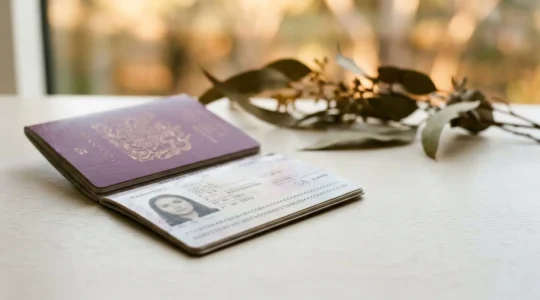
Passport Panic: Can UK Citizens Enter Australia With Less Than 6 Months’ Validity?
Contrary to the widespread travel myth, Australia does not require British citizens to have six months of validity on their passport for entry. However, your passport must be valid for the entire duration of your intended stay. The real, non-negotiable…
Lire la suite
ETA Processing Delays: Why Is Your « Instant » Visa Taking So Long?
Your Australian ETA isn’t lost or ignored; it’s likely been flagged by an automated system for a manual review. Most delays are caused by « digital red flags »—data mismatches or risk factors—like minor criminal records, typos in passport details, or using…
Lire la suite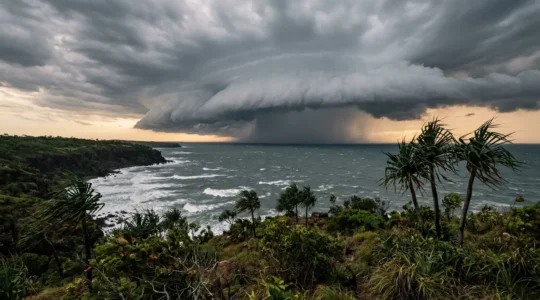
The Wet Season Gamble: Will a Cyclone Cancel Your Darwin Trip in January?
Your cheap wet season trip to Australia is only a bargain if you correctly price in the risks of environmental disruption. Major hazards like cyclones have a low statistical probability but catastrophic impact, requiring firm contingency plans. More common risks…
Lire la suite
How to Plan a 3-Week Australia Trip from the UK for Under £4,000?
Planning a dream trip to Australia from the UK can feel overwhelming, especially with a tight budget. The key to staying under £4,000 isn’t just finding cheap flights; it’s about mastering the ‘unseen’ logistics. This guide focuses on the critical…
Lire la suite