In summary:
- Mastering the « art of airflow » by creating cross-ventilation is more effective than just opening a window.
- Secure all food in hard-sided containers to prevent wildlife from becoming habituated and dangerous.
- Professional glamping tents are engineered to withstand strong winds, but a pre-storm safety check is essential.
- Always respect fire bans; gas cookers may be permitted under specific conditions, but check with the site manager.
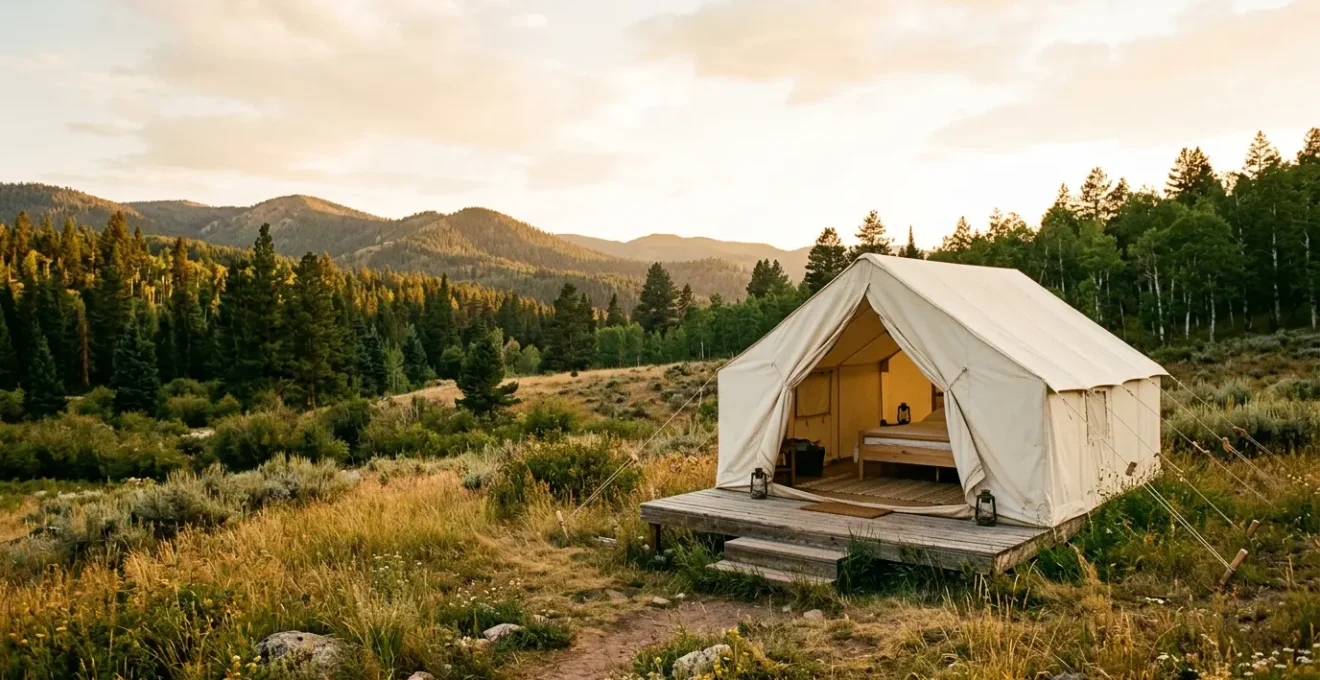
The pictures on Instagram paint an idyllic scene: a beautifully styled canvas tent, soft linens, and a serene natural backdrop. You book your expensive summer glamping trip in February, dreaming of that perfect escape. But as a glamping site manager, I see the reality when guests arrive during a heatwave: the canvas tent, a marvel of durable, breathable cotton, can also act like a heat trap if not managed correctly. Many first-time glampers, expecting hotel-like conditions, are surprised by the ambient warmth and the sounds of nature.
The common advice— »open a window » or « bring a fan »—barely scratches the surface. The real secret to a luxurious and comfortable glamping experience, even without air conditioning, isn’t about fighting the heat; it’s about understanding how your temporary home works. It’s about mastering the ‘art of airflow’ and working with the natural environment, not against it. This involves more than just passive ventilation; it requires active management of your tent’s microclimate, from understanding thermal dynamics to anticipating coastal weather changes.
This guide shares the insider knowledge I provide to my guests. We’ll move beyond the obvious and explore the practicalities that make or break a coastal glamping trip—from noise and wildlife to storm safety and fire restrictions. These are the details that transform a potentially uncomfortable stay into the serene, restorative holiday you paid for.
This article will walk you through the key considerations for a successful coastal glamping experience, providing practical answers to the most common questions and concerns guests have. The following summary outlines the topics we’ll cover to ensure you’re fully prepared.
Summary: A Glamping Insider’s Guide to Coastal Comfort and Safety
- Canvas Walls: Can You Hear Your Neighbours Snoring?
- Possums and Eskies: How to Stop Animals Raiding Your Glamping Fridge?
- Ensuite vs Shared Bathrooms: Is the Private Bathroom Worth the Extra £50?
- Storm Safety: What Happens to Glamping Tents in High Winds?
- Fire Restrictions: Why Can’t You Have a Campfire at the Glamping Site?
- The « Southerly Buster »: What Is This Sudden Drop in Temperature?
- Total Fire Bans: Can You Use a Gas Cooker on High Risk Days?
- Station Stays: Do You Have to Work for Your Board or Is It a Holiday?
Canvas Walls: Can You Hear Your Neighbours Snoring?
One of the first questions I get from guests used to brick-and-mortar hotels is about noise. It’s a valid concern: are canvas walls just glorified fabric separating you from the world? The answer is more complex than a simple yes or no. High-quality, heavy-grade cotton canvas, unlike thin nylon or polyester, has inherent sound-dampening properties. A study on tent materials notes that the dense weave of the canvas material dampens outside noise, creating a more serene environment than you’d find in a standard camping tent. It won’t be soundproof like a hotel room, but it effectively muffles ambient sounds, turning sharp noises into a low hum.
However, the level of peace and quiet also depends on the glamping site’s design. Reputable sites space their tents generously to provide natural acoustic separation. Inside the tent, thoughtful additions make a huge difference. Elements like thick, fluffy floor rugs and layered curtains aren’t just for aesthetics; their fibers trap sound waves and prevent them from bouncing around the space. While you might hear a distant laugh or the faint snoring of a neighbour on a still night, it’s often far less intrusive than the sound of a hotel’s air conditioning unit or hallway chatter. You’re trading absolute silence for the soothing, immersive sounds of nature—the wind in the trees, the chirping of crickets, or the distant crash of waves.
Possums and Eskies: How to Stop Animals Raiding Your Glamping Fridge?
Your glamping tent might feel like a luxury hotel room, but step outside and you’re in the wild. This becomes most apparent when it comes to food. I’ve seen countless guests leave a bag of bread on their deck, only to find it shredded by a possum or a flock of kookaburras the next morning. The « esky » (or cooler) you brought is not a fortress; many animals, especially raccoons and possums, can easily open them. The key principle here is: never leave food unsecured, not even for a minute.
This isn’t just about protecting your dinner; it’s about protecting the wildlife. When animals get easy access to human food, they become « food habituated, » a dangerous change in behaviour.
Case Study: The Dangers of Food Habituation
According to Leave No Trace principles, when animals like squirrels, raccoons, and even wasps access human food, they begin to associate people with meals. This leads to them becoming bolder and more aggressive, frequenting campsites and trails in search of handouts. This increased contact often results in negative interactions, and in many cases, wildlife that poses a danger to humans must be relocated or euthanized. As explained by experts at LNT.org, this learned behaviour alters natural foraging habits, disrupting the entire ecosystem. The most responsible action is to ensure they never get a taste of human food in the first place.
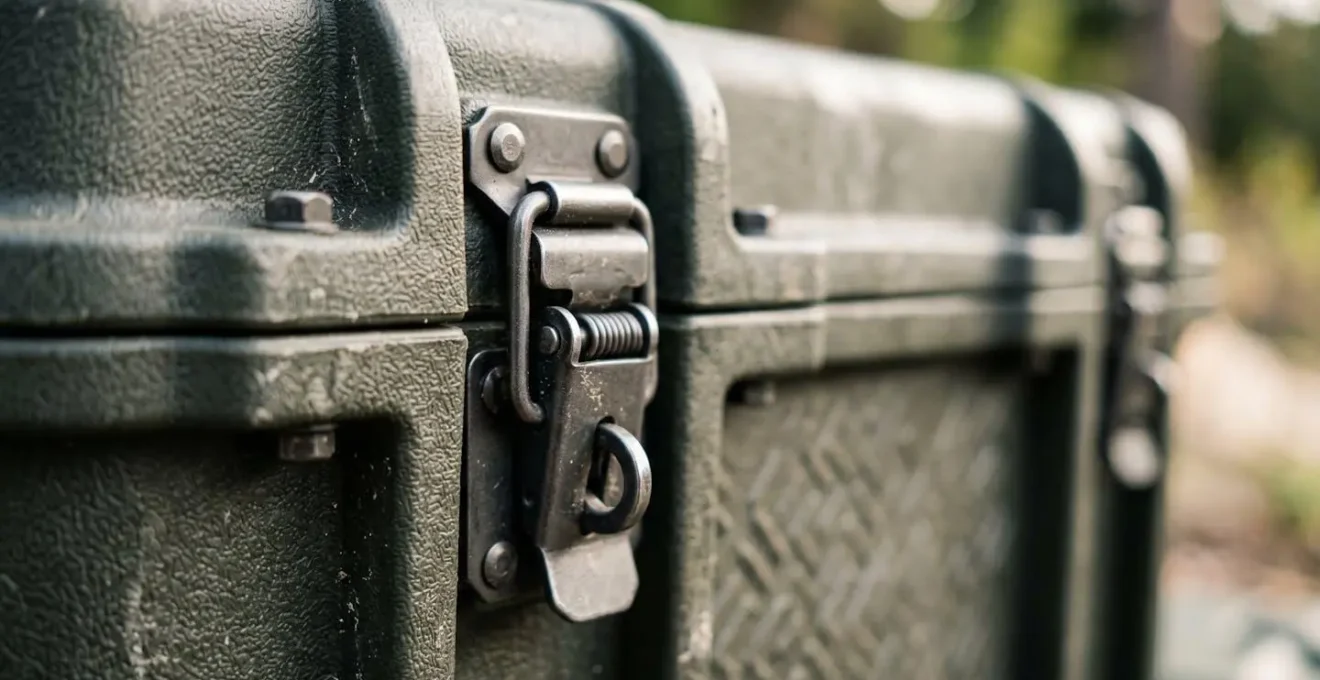
The only foolproof solution is a hard-sided, lockable container. Many glamping sites provide a communal camp kitchen with secure fridges and storage. If you’re keeping food at your tent, invest in a quality, animal-proof container and weigh it down. Think of it as a small price to pay for coexisting peacefully with the local inhabitants and ensuring they stay wild.
Ensuite vs Shared Bathrooms: Is the Private Bathroom Worth the Extra £50?
The bathroom situation is often a major deciding factor for glampers. Should you pay the premium for a tent with a private ensuite, or is the shared bathhouse perfectly fine? As a manager, I see both sides, and the « right » choice depends entirely on your priorities for comfort, convenience, and budget.
Flushing toilets and ensuite bathrooms consistently command the highest nightly rates.
– CanvasCamp, Glamping Site Restroom & Shower Facilities Guide
An ensuite offers undeniable, hotel-like convenience. There’s no need to get dressed for a middle-of-the-night trip to the loo, and you have a guaranteed private, clean space. It elevates the experience from « luxury camping » to something closer to a « cabin in the wild. » This is the ultimate choice for those prioritizing privacy and seamless comfort. However, this convenience comes at a cost, reflecting the significant investment in plumbing and infrastructure required, especially in remote locations.
A shared bathhouse, on the other hand, shouldn’t be dismissed. Modern glamping facilities are a far cry from rustic campground pit toilets. They are typically well-maintained, feature hot showers, and are cleaned frequently. The short walk to the facility can even add to the sense of adventure, evoking a classic camping feel while still providing modern amenities. It fosters a more communal atmosphere and is a practical way to enjoy a glamping experience at a more accessible price point.
This table breaks down the key differences to help you decide where your priorities lie. As this comparative analysis shows, the choice impacts more than just your budget.
| Factor | Ensuite Bathroom | Shared Bathhouse |
|---|---|---|
| Upfront Cost | Significantly higher investment in utilities, construction, and maintenance | Far more affordable and logistically simpler to build and maintain |
| Guest Experience | Hotel-like amenities, middle-of-the-night convenience without dressing, guaranteed hygiene, private changing space | Walking to facility evokes classic camping experience, fosters community and adventure |
| Pricing Power | Commands premium nightly rates, attracts upscale guests | Mid-range pricing, may be viewed as a step down in comfort by some guests |
| Infrastructure | Complex plumbing, sewage, water systems especially in remote areas | Single facility serving multiple units reduces complexity |
| Maintenance | Individual unit maintenance required | High-traffic facility requires frequent cleaning for guest satisfaction |
Storm Safety: What Happens to Glamping Tents in High Winds?
A dark cloud on the horizon can be unnerving when your only shelter is a canvas tent. Guests often ask me if they should be worried about storms, especially high winds. It’s natural to feel vulnerable, but it’s important to understand that a professional glamping tent is an engineering marvel, far removed from a weekend pop-up tent. These structures are designed for semi-permanent installation and built to withstand serious weather.
The stability comes from two key elements: the frame and the anchoring system. The frames are often made from solid wood or heavy-gauge steel, providing a rigid skeleton. The canvas is stretched taut over this frame and secured with an intricate system of heavy-duty guy ropes and deep-driven stakes. This tension creates a surprisingly aerodynamic and robust structure. In fact, professional glamping tent wooden frames can withstand a wind force of 10 Beaufort, which translates to winds of up to 101 km/h (63 mph). While the tent will creak and groan in a gale, it is designed to hold its ground.
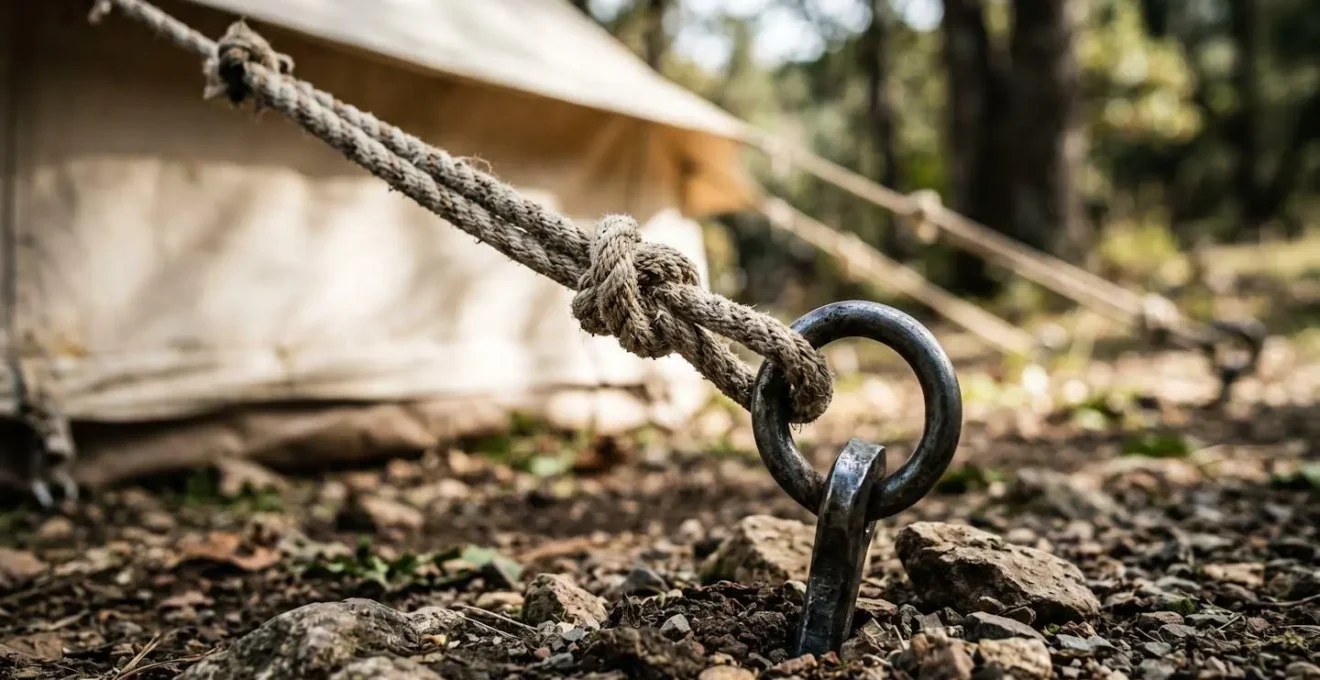
Of course, safety is paramount, and as a site manager, my team and I are constantly monitoring the weather and inspecting the tents. Before a storm rolls in, we ensure every guy rope is tight and every stake is secure. That said, a little knowledge goes a long way in providing peace of mind.
Your Pre-Storm Tent Safety Checklist
- Inspect all guy ropes for any fraying or wear that could weaken them. Notify management if you see any issues.
- Examine the tent canvas for loose sections or areas that flap excessively, and report them.
- Verify your tent isn’t in a low-lying area where water could pool during heavy rain.
- Look up and check for large, dead branches on nearby trees (known as « widow-makers ») that could fall in high winds.
- Ensure all visible stakes are driven fully into the ground, ideally at a 45-degree angle away from the tent.
- Secure all loose items on your deck or around the tent, such as chairs, coolers, and lanterns.
Fire Restrictions: Why Can’t You Have a Campfire at the Glamping Site?
For many, camping isn’t complete without a crackling campfire. So, it can be a source of confusion and disappointment when guests arrive at a glamping site to find that open fires are strictly forbidden. This isn’t a rule made to spoil your fun; it’s an essential safety measure driven by two major factors: insurance liability and fire risk.
Glamping tents are a significant investment, often costing thousands of pounds each. They are typically made of cotton canvas, which, while treated with a fire retardant, is still a combustible material. A single stray ember from a campfire can cause catastrophic damage, not just to one tent but potentially to the entire site. Insurance companies that cover these commercial operations impose extremely strict policies, and allowing open fires near the tents would make the premiums prohibitively expensive or void the coverage entirely. From a business perspective, the risk is simply too great.
Beyond the financial risk, there is the environmental one. Many glamping sites are located in beautiful, natural areas that are highly susceptible to bushfires, especially during the dry summer months. A moment’s carelessness with a campfire can have devastating consequences for the local ecosystem and community. To mitigate this, many sites offer a designated, communal fire pit located a safe distance from all tents and vegetation. This provides the classic campfire experience in a controlled and supervised environment, offering the best of both worlds.
The « Southerly Buster »: What Is This Sudden Drop in Temperature?
If you’re glamping on the east coast of Australia in summer, you might experience a dramatic weather phenomenon that can be your best friend in a heatwave: the « Southerly Buster. » I often have guests who are sweltering in the mid-afternoon heat, only to be pleasantly surprised by a sudden, refreshing change. A Southerly Buster is a powerful, cool southerly wind that sweeps up the coast, typically arriving in the late afternoon or early evening after a hot day.
This isn’t just a gentle breeze; it’s an abrupt and often intense weather change. The temperature can drop by 10 to 15 degrees Celsius in a matter of minutes. You’ll know it’s coming when you see a line of dark clouds rolling in from the south and feel the wind shift direction and pick up speed. For glampers, this is the signal to act. This is the moment to fully open your tent—unzip every window, door, and vent to let this natural air conditioning flush out all the hot, stagnant air that has built up during the day.
This is a key part of mastering the « art of airflow. » Instead of relying on a fan, you’re using a powerful, natural force to reset your tent’s microclimate. It’s a perfect example of working with the environment. After the initial gusty change passes, you can partially close some windows to maintain a comfortable temperature overnight. Being aware of this local weather pattern and knowing how to harness it is an insider’s trick that can make a huge difference to your comfort.
Total Fire Bans: Can You Use a Gas Cooker on High Risk Days?
When the fire danger is at its peak, authorities will declare a « Total Fire Ban » (TOBAN). This is a common occurrence in many hot, dry climates during summer. Guests often get confused about what this means for their cooking plans. A total fire ban means no open flames of any kind. This explicitly includes all wood and charcoal-fuelled campfires and BBQs. The penalties for lighting a fire on a TOBAN day are severe, and for good reason—the risk of starting an uncontrollable bushfire is extremely high.
So, what about your portable gas or electric cooker? The rules here can vary slightly by jurisdiction, but generally, gas and electric appliances are permitted under strict conditions. You can usually use a gas or electric BBQ or cooker if it meets the following criteria:
- It is under the direct control of a responsible adult at all times.
- It is clear of all flammable materials for a radius of at least two metres.
- There is a continuous supply of water (like a hose or large bucket) available to extinguish a fire.
However, and this is crucial, individual glamping sites may have their own stricter rules. For insurance and safety reasons, a site manager may decide to prohibit all types of outdoor cooking on a Total Fire Ban day, regardless of what the regional authorities permit. The safest and most respectful approach is always to check with the site manager first. They will have the most up-to-date information and can tell you exactly what is and isn’t allowed on their property.
Key takeaways
- The comfort of a canvas tent in summer depends on actively managing airflow, not just passive ventilation.
- Protecting wildlife by securing all food is a non-negotiable responsibility for every glamper.
- Professional glamping tents are built to withstand severe weather, but respecting site-specific rules on fires and safety is paramount.
Station Stays: Do You Have to Work for Your Board or Is It a Holiday?
As glamping evolves, the experiences offered are becoming more diverse. One type that often causes confusion is the « station stay. » A station, in the context of Australia or New Zealand, is a large-scale sheep or cattle farm. A station stay offers accommodation—often in the form of glamping tents, cabins, or rooms in a homestead—on one of these vast, working properties. The core question guests have is: is this a holiday, or am I expected to roll up my sleeves and work?
The answer is simple: a station stay is a holiday. You are a paying guest, not a farmhand. The experience is designed to immerse you in the authentic atmosphere of the outback or high country without the manual labour. You are not expected to shear sheep or muster cattle for your board. The « work » is done by the station owners and their staff; your role is to relax, observe, and enjoy the unique environment.
That said, many station stays offer optional, paid activities that give you a taste of farm life. These might include guided 4WD tours of the property, watching sheepdog demonstrations, or even participating in a supervised cattle drive. These are experiences designed for tourists, providing a safe and fascinating glimpse into the day-to-day operations of the station. It’s about engagement, not employment. So, when you book a station stay, you can rest assured that your primary job is to unwind and soak in the incredible scenery and hospitality.
Now that you’re equipped with the insider knowledge on everything from airflow to fire bans, the next logical step is to apply this during your booking process. Being an informed guest allows you to ask the right questions and select a site that truly matches your expectations for comfort and safety.