The true sustainability of a Tasmanian eco-lodge lies not in its marketing claims, but in the verifiable integrity of its operational systems.
- Genuine off-grid power is defined by battery capacity and autonomy, not just the presence of solar panels.
- Certified waste systems and strict wildlife policies are non-negotiable indicators of true ecological responsibility.
Recommendation: Adopt an auditor’s mindset—question everything, demand transparency on infrastructure, and use the specific frameworks in this guide to justify the green premium.
The promise of a Tasmanian eco-lodge is intoxicating: pristine wilderness, crackling fires, and the sense of leaving a light footprint. Yet, for the eco-conscious traveller, a nagging fear persists—the spectre of greenwashing. It’s easy for a business to use words like ‘eco-friendly’ or ‘natural’, but these terms often mask conventional practices. The common advice to « look for certifications » or « check their website » falls short, as it fails to equip you with the critical thinking to see past a well-designed marketing page. You’re willing to pay a premium for genuine sustainability, but you’re rightly afraid of being scammed by a facade.
But what if the key wasn’t to trust the labels, but to audit the operations? The real story of a lodge’s commitment is not written on its brochure, but in the specifications of its battery bank, the design of its wastewater system, and its non-negotiable policies on human-wildlife interaction. This is where we move beyond the platitudes. This guide is not a list of ‘green’ lodges; it’s a transfer of an auditor’s mindset. It will provide you with the forensic questions and technical benchmarks to scrutinise a lodge’s claims, turning you from a passive guest into an informed verifier.
This article will deconstruct the most common features of a Tasmanian eco-lodge, providing you with a clear framework for each. From off-grid power systems to the ethics of Indigenous partnerships, you will learn to distinguish authentic, deep-rooted sustainability from superficial green veneers. Get ready to look under the hood.
Summary: Greenwashing vs Certified: How to Spot a Truly Sustainable Lodge in Tasmania?
- Off-Grid Power: Can You Charge Your Laptop at a Solar-Powered Lodge?
- Composting Toilets: Do They Smell and How Do You Use Them?
- Feeding Wildlife: Why Do Eco-Lodges Ban You from Feeding Possums?
- No Wi-Fi Policy: How to Prepare for a Digital Detox Weekend?
- Why Does It Cost £400 a Night to Sleep in a Wooden Cabin?
- The « Supply Nation » Logo: What Does It Mean for Tourism Businesses?
- The Sunscreen Error That Damages Coral: What Ingredients to Ban?
- Glamping in Summer: How to Sleep in Canvas Tents Without Air Conditioning?
Off-Grid Power: Can You Charge Your Laptop at a Solar-Powered Lodge?
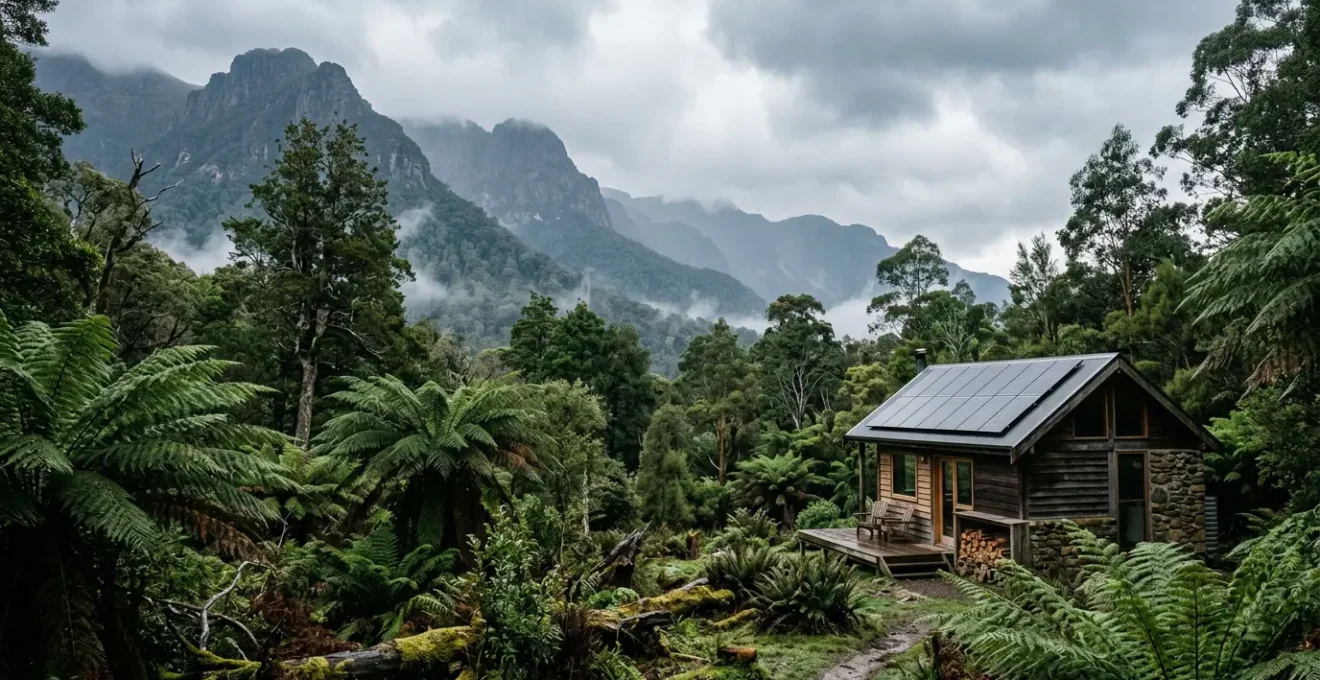
The image of solar panels glistening on a cabin roof is the quintessential symbol of ‘eco’. However, from an auditor’s perspective, this is merely surface-level. The critical component isn’t the panels themselves, but the system’s integrity and storage capacity. A few panels might power some lights, but a genuine off-grid lodge has invested in a robust system capable of supporting operations and guest needs through Tasmania’s often-overcast days. This investment is significant, reflecting the growing trend towards energy independence, with data showing a 47% increase in off-grid solar installations in the region since early 2024.
So, can you charge your devices? In a truly sustainable lodge, yes—but with mindful awareness. Their system is designed for resilience, not unlimited consumption. Your audit should focus on the battery bank and backup systems. A small, cheap battery setup is a red flag, indicating the solar is more for marketing than for genuine off-grid living. A serious lodge will be transparent about their system’s capabilities and limitations.

The image above showcases the kind of serious infrastructure that underpins a truly sustainable operation—it’s about robust engineering, not just appearances. Before you book, or upon arrival, use the following checklist to gauge the authenticity of their power system. Their ability and willingness to answer these questions speak volumes about their commitment to operational transparency.
Your Action Plan: Questions to Audit a Lodge’s Power System
- What is your total battery storage capacity in kWh? (Genuine systems range from 8-10 kWh for basic setups to 30+ kWh for comprehensive power)
- How many days of autonomy does your system provide during overcast weather? (Quality systems should offer 4-5 days backup)
- Do you have supplementary power sources like micro-hydro or a backup generator for Tasmania’s cloudy periods?
- Can you specify the brand and origin of your solar panels and their carbon footprint for shipping to Tasmania?
- What is your policy on guest energy consumption during low-generation periods?
Ultimately, a lodge’s power policy reveals its core philosophy. Is it about providing a sustainable experience within nature’s limits, or is it about providing a conventional hotel experience with a thin green veneer?
Composting Toilets: Do They Smell and How Do You Use Them?
Perhaps no feature of an eco-lodge elicits more apprehension than the composting toilet. The fear is visceral: odour, complexity, and hygiene. However, for a sustainability auditor, a correctly installed and managed composting toilet is a hallmark of a lodge that takes its ecological liability seriously. Unlike a conventional septic system that leaches nutrients into the soil and waterways, a high-quality composting system is a closed loop, turning waste into a stable, safe end-product. The key is proper management and, critically, compliance with strict standards.
The first question—do they smell? The answer is a definitive no, if it’s a modern, well-maintained system. Odour is a sign of an anaerobic (oxygen-deprived) process, indicating a failing or poorly designed toilet. Proper systems use ventilation fans to create constant negative pressure, drawing air down into the chamber and preventing any odours from escaping. As for their use, it’s simple: you use them like a regular toilet, but instead of flushing, you add a scoop of carbon-rich material like sawdust after each use. This balances the carbon-to-nitrogen ratio, absorbs moisture, and eliminates odours.
From a regulatory standpoint, these are not amateur installations. The National Construction Code of Australia is clear, as stated in its Tasmanian-specific guidelines:
Waterless composting toilets must meet the requirements of AS/NZS 1546.2
– National Construction Code Tasmania, Tasmania Section H On-site Waste Water Systems
Case Study: Composting Systems in Tasmanian National Parks
A comprehensive review of toilet systems within the Australian Alps National Parks, which includes sensitive Tasmanian sites, provided key insights. It rated batch waterless composting systems highly (4/5) for their effectiveness when properly managed. The study highlighted that while capital costs are relatively low (around $10,000), they require significant ongoing maintenance to function correctly. The most critical finding was the need for a clear, documented end-of-life waste management process to prevent nutrient pollution in Tasmania’s unique alpine and rainforest ecosystems. This demonstrates that the real work of a composting toilet happens long after the guest leaves.
Therefore, when you see a composting toilet, don’t feel trepidation. See it as an indicator of a deep commitment to protecting the pristine Tasmanian environment, and don’t hesitate to ask about the system’s certification and maintenance schedule.
Feeding Wildlife: Why Do Eco-Lodges Ban You from Feeding Possums?
It’s a tempting, magical holiday moment: a curious possum or wallaby approaches your cabin deck, and you offer it a piece of apple. It feels harmless, a moment of connection with nature. This is why a strict, clearly communicated « No Feeding » policy is one of the most important, albeit sometimes unpopular, signs of a truly responsible eco-lodge. They are not being killjoys; they are actively protecting the wildlife from a phenomenon known as human habituation and its disastrous consequences.
Feeding wild animals has several negative impacts. It can alter their natural foraging behaviour, creating dependency and leading to malnutrition when they consume inappropriate human foods. It can also cause them to lose their fear of humans, leading to aggressive behaviour. Most critically in the Tasmanian context, it encourages animals to congregate in unnaturally high densities, creating a perfect vector for disease transmission. This is of paramount concern for the iconic Tasmanian Devil, whose population has been decimated.
Official data paints a grim picture, with a recorded more than 80% decline across Tasmania in the devil population since the emergence of the devastating Devil Facial Tumour Disease (DFTD). Artificial feeding stations or casual feeding by tourists can bring infected and uninfected animals into close contact, accelerating the spread.
This principle is well understood by responsible operators on the ground. As one wildlife tour operator noted when discussing their response to DFTD:
Once the disease hits his area, he will discontinue feeding to avoid drawing the animals near one another, which makes them more susceptible to disease transmission
– Wildlife tour operator quoted in National Wildlife Federation, Tasmania’s Devil of a Problem
A genuine eco-lodge facilitates observation from a respectful distance. They understand that true conservation means letting wild animals be wild. A lodge that permits or even tacitly encourages feeding is prioritising a superficial guest experience over the long-term health of the very ecosystem they claim to celebrate.
No Wi-Fi Policy: How to Prepare for a Digital Detox Weekend?
In our hyper-connected world, the words « No Wi-Fi » on a lodge’s website can be more alarming than « No Air Conditioning. » For many, it’s a deal-breaker. But a sustainability auditor sees this not as a lack of amenity, but as a deliberate and powerful statement of intent. A « no Wi-Fi » policy is often a dual commitment: to a minimalist energy footprint (Wi-Fi routers and infrastructure are a constant drain on off-grid power systems) and to a deeper, more immersive guest experience.
However, this commitment to a digital detox cannot come at the expense of safety. A remote location without mobile signal or internet access carries inherent risks. A responsible lodge proactively mitigates these risks with robust, non-digital communication systems. The absence of Wi-Fi should be paired with the presence of clear, well-maintained safety protocols. This is a critical point in your audit: the lodge must demonstrate how they manage emergencies in an unconnected environment.
Before you embrace the detox, your preparation should involve asking some critical safety questions. Their answers will reveal whether they are a professional remote operation or simply a property that hasn’t bothered to install modern communications. Your questions should include:
- Emergency Systems: What dedicated emergency communication system do you maintain? Look for answers like a satellite phone, a personal locator beacon (PLB), or a two-way radio link to a local ranger station.
- Evacuation Protocols: What is your documented procedure for medical emergencies or bushfire evacuation? They should be able to explain this clearly.
- Reception Access: How far is the nearest point of mobile phone reception, and is the route there clearly marked and accessible?
- Guest Briefing: Do you provide all guests with a thorough safety briefing on arrival, including the location of emergency equipment and contact procedures?
- Curated Experiences: Beyond simply lacking Wi-Fi, how do you actively facilitate a connection with the place? Look for things like a well-stocked library of Tasmanian natural history, field guides for endemic species, art supplies, or offers of guided interpretive walks.
A true eco-lodge sells an experience, not just a room. By removing digital distractions, they are curating an opportunity for you to connect more deeply with the stunning Tasmanian wilderness—and with yourself. But they must also demonstrate an unwavering commitment to your safety in that disconnected environment.
Why Does It Cost £400 a Night to Sleep in a Wooden Cabin?
It’s the question that echoes in the mind of every traveller browsing high-end eco-lodges: a rustic wooden cabin for the price of a luxury city hotel? This is where greenwashing and genuine sustainability diverge most dramatically. The high price tag, or « Green Premium, » is either a marketing ploy or a legitimate reflection of massive, often invisible, capital investment in sustainable infrastructure. Your job as an auditor is to determine which it is.
A cheap cabin in a remote location is cheap for a reason: it likely outsources its environmental costs. It might have a basic, non-compliant septic system polluting the groundwater, or it may be built with unsustainable materials. A true eco-lodge, conversely, has invested heavily to operate in harmony with its environment. The cost is high precisely because they are not cutting corners. For instance, connecting to the grid in a remote area is often prohibitively expensive. Analysis shows that while grid connection to remote properties can cost $100,000+, a comprehensive off-grid power system still represents a major upfront cost of $30,000-$70,000.
This investment extends to every aspect of the operation. The following table breaks down the hidden costs that are factored into the nightly rate of a certified eco-lodge compared to a standard budget cabin. A lodge’s transparency about these investments is a key indicator of its authenticity.
| Cost Category | Budget Cabin | Certified Eco-Lodge | Key Sustainability Factor |
|---|---|---|---|
| Off-grid Power System | $20,000-$30,000 (basic) | $50,000-$65,000 (robust) | 30+ kWh battery capacity for multi-day autonomy |
| Water Infrastructure | Basic rainwater tank | Multi-stage filtration + greywater treatment | Protects pristine Tasmanian waterways |
| Building Materials | Unspecified timber | Certified Sustainable Timber Tasmania or Hydrowood reclaimed | Transparent provenance, no old-growth forest |
| Waste Management | Standard septic | AS/NZS certified composting system + waste removal logistics | Prevents nutrient pollution in sensitive ecosystems |
| Staffing Premium | Casual seasonal | Year-round skilled staff + remote location premium | Supports local rural employment |
| Produce Sourcing | Wholesale suppliers | Certified organic + local Tasmanian producers | Reduces food miles, supports regional agriculture |
So, when you see a high price, don’t just see an expense. See it as a potential clue. It prompts you to ask: « What does this price pay for? » A genuine eco-lodge will be proud to tell you about their water treatment system, their locally sourced timber, and their highly-paid, year-round local staff. A greenwasher will just talk about the view.
The « Supply Nation » Logo: What Does It Mean for Tourism Businesses?
As you assess a lodge’s sustainability, the audit must extend beyond environmental practices to social and cultural responsibility. In Australia, a key indicator of this is the Supply Nation logo. Seeing this logo signifies that a business is part of a dedicated network aiming to foster Indigenous prosperity. However, like any certification, its true value lies in understanding what it represents and how to verify its legitimacy. It’s the starting point for your provenance scrutiny, not the end.
Supply Nation is Australia’s leading body for promoting Indigenous business. It connects a vast network of verified businesses with corporate and government procurement teams, with over 6,000 verified Indigenous businesses in its directory as of 2026. For a tourism business, being certified means they have met a strict standard of ownership.
Supply Nation certifies businesses at least 51% owned, managed, and controlled by Indigenous Australians
– Supply Nation
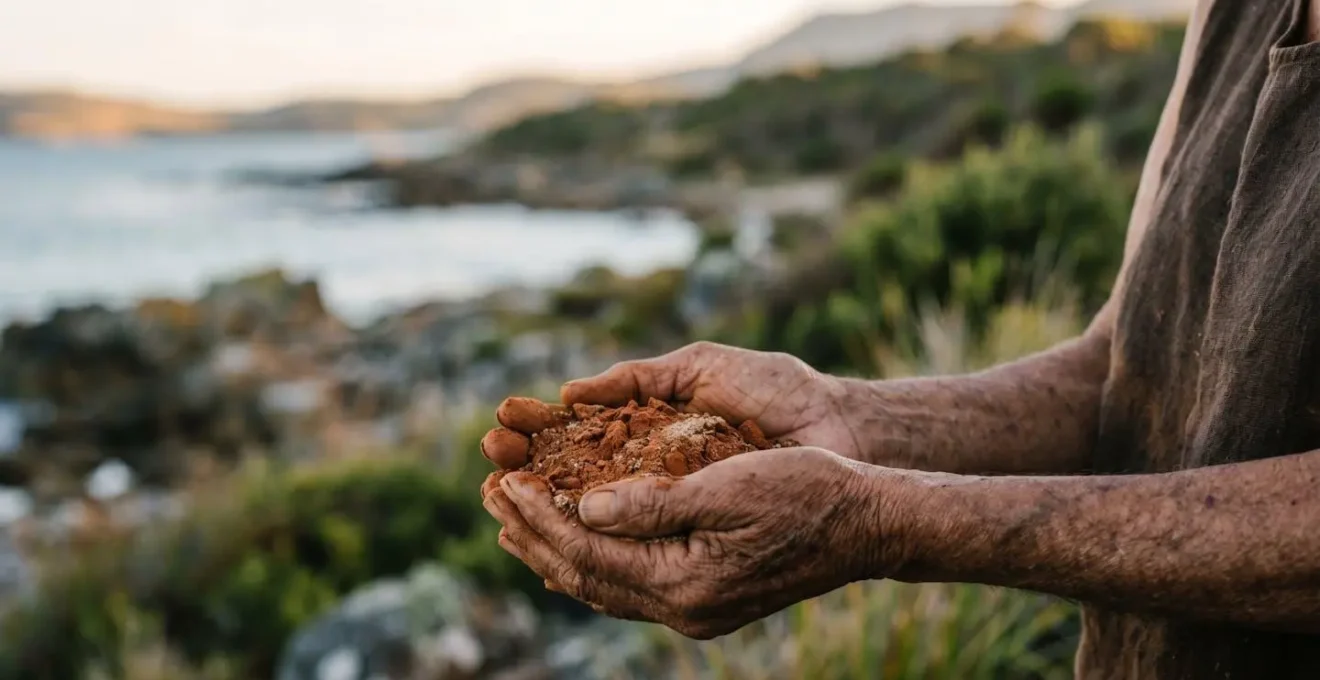
In Tasmania (lutruwita), this holds particular significance. It means you are potentially supporting a business directly owned and run by palawa/pakana (Tasmanian Aboriginal) people. However, your audit must go deeper. It’s crucial to distinguish between genuine partnership and ‘Aboriginalism’—the superficial use of Aboriginal art or culture for marketing without meaningful benefit to the community. The presence of the logo should prompt you to look for evidence of authentic engagement.
A truly committed business will integrate Indigenous culture and employment respectfully and substantively. Your verification process should include:
- Online Verification: Use the public Supply Nation online directory (Indigenous Business Direct) to confirm a business’s certification status in real-time.
- People and Presence: Look beyond the logo. Are there palawa/pakana guides, interpreters, or staff members? Is their presence visible and valued?
- Community Links: Ask about direct partnerships with organisations like the Tasmanian Aboriginal Centre or other local community groups.
- Benefit Sharing: Inquire if a percentage of revenue or specific tour fees flows directly to Tasmanian Aboriginal community projects or land management programs.
The Supply Nation logo is a powerful, positive signal. But it is your responsibility as a conscious traveller to ensure it represents a deep, respectful partnership, not just a shallow marketing tactic.
The Sunscreen Error That Damages Coral: What Ingredients to Ban?
An auditor’s lens on sustainability extends right into the guest’s own washbag. A truly holistic eco-lodge recognises that its ecological liability is affected by what guests bring onto the property, especially when its wastewater systems (even the best ones) ultimately interact with the surrounding environment. The most common and damaging oversight relates to sunscreen and other toiletries, which can contain chemicals devastating to aquatic ecosystems.
While Tasmania is famous for its forests, its temperate marine environments, including its magnificent and endangered giant kelp forests, are just as sensitive as tropical coral reefs. Two common chemical UV filters, oxybenzone and octinoxate, have been shown to be incredibly harmful to marine life, causing bleaching in corals and damaging the development of fish and other organisms. These chemicals enter the water system either directly when you swim, or indirectly when you shower and the residue washes down the drain into greywater systems.
A top-tier eco-lodge doesn’t just recommend ‘reef-safe’ products; it actively educates guests and often provides complimentary, approved alternatives. This proactive approach is a strong indicator of their commitment. Before you travel, perform a « Washbag Audit » to ensure you are a responsible guest. Your checklist should include:
- Sunscreen: Ban anything containing oxybenzone or octinoxate. Opt for mineral-based formulas that use non-nano zinc oxide or titanium dioxide as the active ingredient.
- Soaps & Shampoos: Look for phosphate-free, biodegradable formulas. Chemical residues can be toxic to the delicate aquatic insects that form the base of the food web in Tasmania’s pristine rivers. Avoid products containing palm oil unless it is certified as sustainable.
- Facial Scrubs: Absolutely no products containing plastic microbeads. These tiny plastics persist in the environment indefinitely and are impossible to filter out, ending up in sensitive watersheds like the Franklin River.
- The Green Flag: The ultimate sign of a committed lodge is when they provide these safe toiletries for you. It shows they are taking full responsibility for the chemical inputs on their property.
By arriving with a pre-audited set of toiletries, you are moving beyond being just a consumer and becoming an active partner in the lodge’s conservation mission. It’s a small act that reflects a deep understanding of what it truly means to travel sustainably.
Key Takeaways
- A true eco-lodge’s price reflects massive investment in hidden infrastructure like robust power, water, and waste systems.
- Authenticity is proven by operational transparency, not marketing; ask for specs on battery autonomy and waste system certifications.
- Genuine social responsibility in Tasmania involves verifiable, meaningful partnerships with palawa/pakana communities, not just aesthetic ‘Aboriginalism’.
Glamping in Summer: How to Sleep in Canvas Tents Without Air Conditioning?
The idea of ‘glamping’ in a Tasmanian summer can conjure images of sweltering in a canvas tent. The absence of air conditioning, however, isn’t a sign of a budget operation; it’s a critical sustainability credential. Air conditioning is one of the biggest drains on an off-grid power system, and its absence demonstrates a lodge’s unwavering commitment to a minimal-impact philosophy. But this doesn’t mean you’re doomed to an uncomfortable night. It means the lodge relies on intelligent, passive design that works with nature, not against it.
The key to comfort lies in understanding and leveraging Tasmania’s climate, specifically its large diurnal temperature range—a fancy term for hot days followed by cool nights. A well-designed glamping tent is engineered to exploit this daily temperature swing. Your comfort depends entirely on these passive cooling features, and auditing them is your final test.
When evaluating a glamping setup, look for these design elements:
- Fly Roof Design: The tent should have a double-layer roof. An outer ‘fly’ sheet sits above the main canvas with an air gap in between. This gap acts as a powerful insulator, preventing the sun’s direct heat from penetrating the inner tent.
- Cross-Ventilation: Look for large mesh windows on at least two opposite sides of the tent. This allows you to capture Tasmania’s famous coastal sea breezes and create a cooling airflow right through the space.
- Strategic Orientation: A smart operator will have positioned the tent to benefit from the shade of trees during the hottest part of the afternoon (around 3-5 PM), while still being open to prevailing cooling breezes.
- Working the Diurnal Cycle: The lodge staff should advise you on this. The method is to open all windows and doors in the cool evening to completely air out the tent. Then, in the early morning, you close everything up, trapping the cool night air inside to act as a natural coolant before the day heats up.
The absence of an air conditioner is a final, powerful clue. It tells you the lodge is confident in its design and committed to its principles. It’s an invitation for you to participate in a smarter, more attuned way of living in the environment, even for just a weekend.