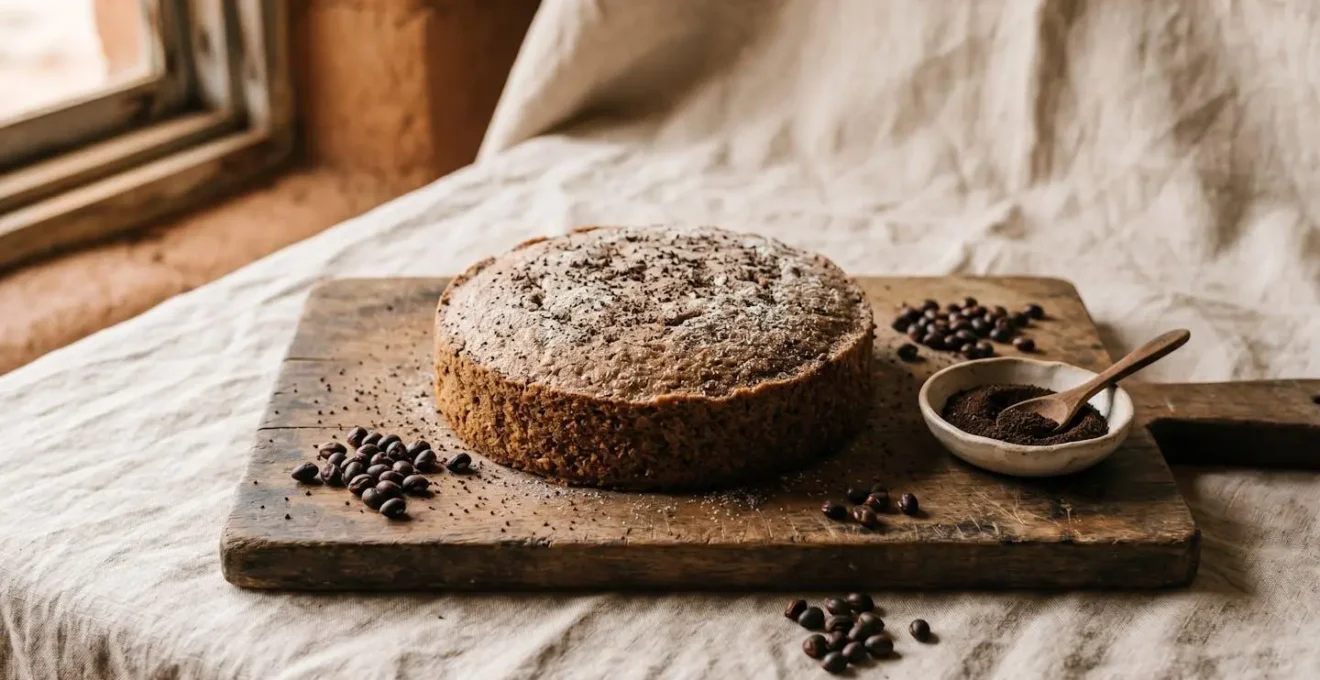
Successfully replacing coffee with wattleseed isn’t a simple swap; it’s a technical craft of controlling its transformation to unlock a spectrum of flavors from nutty to rich espresso.
- The depth of flavor is directly manipulated by the roasting time and temperature—a short roast yields nutty notes, while a longer roast develops deep coffee and chocolate profiles.
- Its high protein content not only adds nutritional value but can also alter the structure of vegan and gluten-free baked goods.
- Safe and ethical use is paramount: only a fraction of Acacia species are edible, and supporting Indigenous-owned businesses is key to its sustainable future.
Recommendation: Begin by mastering the hot water infusion method with a coarse grind. This extracts maximum flavor with minimal bitterness, providing a stable, liquid base to incorporate into your cake batters and creams.
For bakers seeking a sophisticated, caffeine-free alternative to coffee, wattleseed presents a fascinating world of flavor. But many approach it with a simple 1:1 substitution mindset, often leading to gritty textures or underwhelming, one-dimensional taste. The common advice is to « add it to your flour, » but this overlooks the true artistry of this native Australian ingredient. As a pastry chef who has spent years working with native botanicals, I can tell you that treating wattleseed like cocoa powder or instant coffee is the fastest way to miss its incredible potential.
The secret isn’t just in *using* wattleseed, but in *transforming* it. The real magic lies in understanding that you, the baker, are in complete control of its final expression. This isn’t about following a recipe; it’s about mastering a process. It’s a form of flavor manipulation where the duration of a roast, the fineness of a grind, and the temperature of an infusion become your tools. Instead of just a substitute, wattleseed becomes a signature element, capable of expressing a terroir as complex as any single-origin coffee bean.
This guide will take you beyond the basics. We won’t just list recipes; we will deconstruct the science and technique behind using wattleseed. We will explore how to roast for specific flavor profiles, why its protein content matters for vegan baking, the correct way to infuse creams without bitterness, and the critical importance of safety and ethical sourcing. Prepare to move from baker to artisan.
To navigate this deep dive into the craft of baking with wattleseed, here is a breakdown of the key techniques and considerations we will cover.
Summary: Wattleseed in Baking: How to Substitute It for Coffee in Cakes?
- Roasting Wattleseed: Why Must You Grind It After Roasting?
- Protein Content: Is Wattleseed a Viable Vegan Protein Source?
- Wattleseed Pavlova: How to Infuse the Cream Correctly?
- Golden Wattle vs Other Acacias: Are All Wattle Seeds Edible?
- Wild Harvest vs Plantation: Which Is More Sustainable for Wattleseed?
- Magic vs Flat White: What Is the Secret Melbourne Menu Item?
- Supermarket Bush Food: Is the « Native » Dude Food Brand Actually Indigenous Owned?
- Urban Foraging: Can You Eat the Berries in Your Melbourne Airbnb Garden?
Roasting Wattleseed: Why Must You Grind It After Roasting?
The most critical step in unlocking wattleseed’s potential is the roast. This is where you, the baker, become an alchemist, transforming the raw, green-tinged seeds into a fragrant, dark powder. Roasting is not merely for flavor development; it’s a non-negotiable step for releasing the volatile aromatic oils that define its character. Grinding must happen *after* roasting and, crucially, after cooling. Grinding hot seeds would cause these precious oils to evaporate, resulting in a flat, less aromatic final product. Letting them cool completely traps the aroma inside the seed’s structure, ready to be released into your batter.
The duration of the roast is your primary tool for flavor manipulation. A short, 3-minute roast at 200°C (392°F) will yield a profile that is primarily nutty and savory, excellent for breads or biscuits. Pushing the roast towards 10 minutes, waiting until the seeds begin to pop and the seed coat cracks, develops the deep, rich coffee, chocolate, and hazelnut notes that make it a perfect coffee substitute in cakes. This process requires vigilance; a moment too long and the seeds will burn, imparting a harsh, bitter flavor that is impossible to mask.
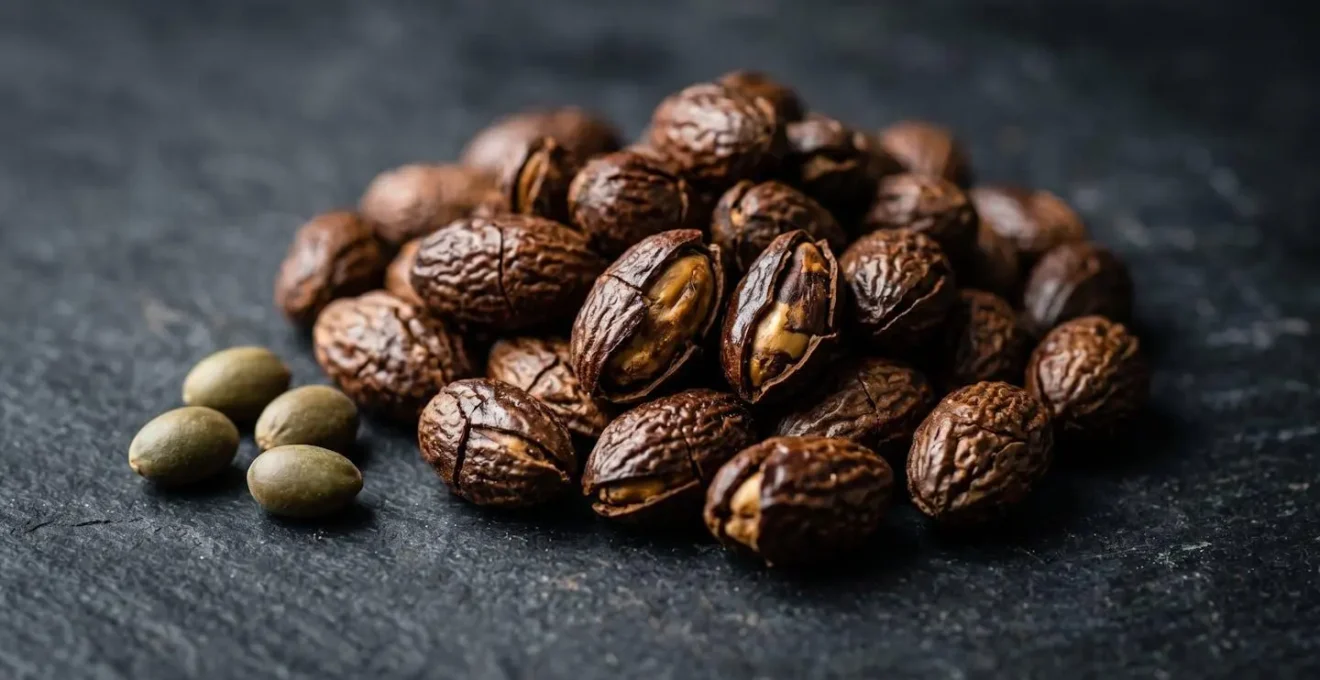
As you can see from the texture, the cracking of the seed coat is the physical indicator that the transformation is underway. The grind consistency is your next point of control. For cakes, a fine, espresso-like grind ensures even flavor distribution. For infusions, a coarser, French-press-style grind is preferable, as it imparts flavor into liquids like cream or syrup while being easier to strain out, preventing a gritty mouthfeel.
Your Action Plan: The Wattleseed Roasting & Grinding Protocol
- Roast raw seeds: Spread seeds on a tray and roast at 200°C (392°F) for 3-10 minutes, monitoring until the seed coat cracks and the desired aroma is achieved.
- Cool completely: Remove from heat and allow seeds to cool to room temperature on the tray to trap the volatile aromatic oils.
- Grind to consistency: Use a coffee grinder or mortar and pestle to achieve the desired texture—fine for batters, coarse for infusions.
- Strain if infusing: For creams or syrups, always pass the infused liquid through a fine-mesh sieve, then cheesecloth, to remove all grit.
- Store correctly: Keep your ground wattleseed in an airtight jar in a cool, dark place for up to six months to preserve its potent aroma.
Protein Content: Is Wattleseed a Viable Vegan Protein Source?
Beyond its complex flavor, wattleseed offers a significant, and often overlooked, structural benefit in baking, particularly for vegan and gluten-free applications. Its impressive protein content makes it more than just a flavoring. With nearly 2.5 times more protein per 100 grams than wheat flour, it contributes to the crumb structure and stability of cakes and breads. This makes it a powerful functional ingredient, not just a taste enhancer.
For vegan bakers, this is especially valuable. The protein in wattleseed can help supplement the binding and structural properties often missing when eggs are omitted. While it won’t single-handedly replace the function of gluten or eggs, its inclusion can lead to a more cohesive and less crumbly texture in plant-based baked goods. This contributes to what I call structural integrity, turning a simple vegan sponge into something with a more satisfying chew and resilience. Never use raw wattleseed; the roasting process is essential to make its nutrients bioavailable and its flavor palatable.
Furthermore, its nutritional profile is unique. As PhD researcher Sera Jacob highlights from her work at the University of Queensland, wattleseed’s value extends beyond just protein.
Wattleseed has similar protein content to other legumes but is very high in fibre and low in starch. It also contains compounds with a lot of anti-inflammatory and anti-carcinogenic benefits.
– Sera Jacob, PhD Researcher, UQ Research on Bushfood Nutrition
This low-starch, high-fibre composition means it has a minimal « watering down » effect on your flour’s gluten network, unlike some other nut or seed flours. It adds flavor and nutrition without significantly compromising the rise or texture of your bake, making it a functionally superior choice for enriching a wide range of recipes.
Wattleseed Pavlova: How to Infuse the Cream Correctly?
While wattleseed is robust enough for cakes, its delicate side shines in infusions, particularly in creams for desserts like Pavlova. The primary mistake bakers make is treating it like cocoa powder, either whipping the dry grounds directly into cold cream or, worse, boiling it with the cream. Both methods are flawed. The former results in a gritty texture and weak flavor, while the latter scorches the grounds, releasing bitter tannins that ruin the cream. The secret lies in the extraction science of a proper infusion.
The most reliable technique is the hot infusion method. This involves creating a potent wattleseed « espresso » by adding a small amount of boiling water (not cream) to your ground wattleseed and allowing it to steep and cool completely. The grounds will swell, absorbing the water and releasing their full spectrum of aromatic compounds. This cooled, concentrated paste can then be folded into your whipped cream, delivering maximum flavor without any grit or bitterness. The optimal temperature for a hot infusion in cream itself is around 80°C (176°F), well below boiling, to ensure gentle extraction.
For a subtler, earthier flavor, a cold infusion is an excellent alternative. Steeping the grounds in cold cream in the refrigerator for 12 to 24 hours yields a less intense, more nutty profile. Whichever method you choose, a critical final step is to strain the cream twice: first through a fine-mesh sieve, and then through cheesecloth. This guarantees a silky-smooth texture worthy of a delicate meringue.
Case Study: Adam Liaw’s Wattleseed Pavlova
Australian chef Adam Liaw, in his recipe for a native ingredients Pavlova, exemplifies the perfect infusion technique. He demonstrates the steeping method by combining ground wattleseed with boiling water in a bowl, letting it steep for an hour before incorporating the resulting paste into whipped cream. This approach ensures the coffee-like notes are fully extracted without bitterness, creating a luxurious cream that beautifully complements the crisp meringue shell.
Golden Wattle vs Other Acacias: Are All Wattle Seeds Edible?
This is the most crucial lesson for any baker exploring native ingredients: not all wattles are created equal. The term « wattle » refers to the genus *Acacia*, which contains over 1,000 species in Australia alone. Assuming all seeds are edible is a dangerous mistake. In fact, the vast majority are not. Current knowledge suggests that out of all these species, only around 60 are known to be edible, while 50 are confirmed as toxic, and the properties of over 830 remain untested. The risk of misidentification is real and can range from digestive upset to severe poisoning.
Therefore, never, ever consume unidentified Acacia seeds foraged from the wild or a garden. Species like *Acacia georginae* contain compounds similar to rodent poisons. The only safe way to use wattleseed is to purchase it from a reputable supplier who can guarantee the species is a known edible variety, such as *Acacia victoriae* (Elegant Wattle) or *Acacia retinodes* (Wirilda), which are the most common in commercial supply. The beautiful Golden Wattle (*Acacia pycnantha*), Australia’s floral emblem, does produce edible seeds, but many other common ornamental species do not.
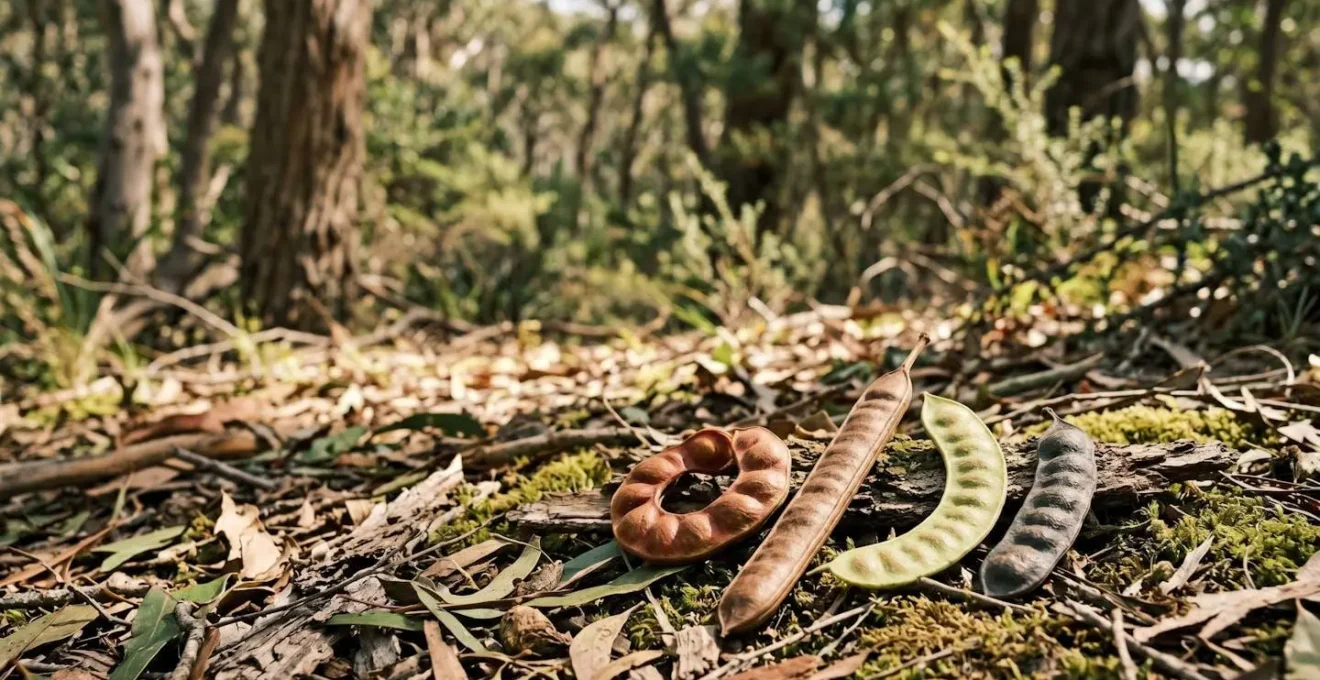
This botanical diversity highlights the importance of relying on expert knowledge. Indigenous Australians have passed down generations of wisdom about not only which species to eat but also the precise time to harvest and the specific processing methods required to remove toxins from certain varieties. As a baker, your responsibility is to respect this knowledge by sourcing safely and ethically.
- Confirmed Edible Species: *Acacia victoriae* (Gundabluey), *Acacia aneura* (Mulga), *Acacia colei*, *Acacia retinodes* (Wirilda), *Acacia pycnantha* (Golden Wattle).
- Known Toxic Species to Avoid: *Acacia georginae* (contains fluoroacetate), *Acacia ligulata*, *Acacia hakeoides*.
- The Golden Rule: If you cannot 100% identify the species and confirm its edibility from a trusted source, do not consume it.
Wild Harvest vs Plantation: Which Is More Sustainable for Wattleseed?
As wattleseed grows in popularity, the question of its sustainability becomes paramount. The two primary sourcing models, wild harvesting and plantation farming, each present a complex balance of ecological, economic, and cultural factors. Wild harvesting, when done ethically, connects the ingredient directly to its traditional lands and can provide economic opportunities for Indigenous communities. However, it risks over-harvesting if demand outstrips the natural regenerative capacity of wild populations.
On the other hand, plantations offer a consistent, scalable supply and greater control over quality, taking pressure off wild stocks. This model is exemplified by operations focused on commercial viability.
Plantation Model: Ni Ni Well Native Food Farm
Ni Ni Well farm in southern Australia operates a wattleseed plantation, cultivating various Acacia species for a reliable commercial supply. This model ensures traceability and consistent quality. However, the plantation approach can lead to monoculture risks and a potential disconnection from the traditional cultural context of the ingredient, illustrating the complex trade-offs in the native foods industry.
The most sustainable and ethical model, however, is one that prioritizes Indigenous leadership and benefit-sharing. It’s not just about where the seed comes from, but who benefits from its journey to your kitchen. True ethical sourcing means seeking out supply chains that empower the First Peoples who are the traditional custodians of this knowledge. As Sarah Hickey of the Karen Sheldon Group powerfully states, the goal is circular and community-focused.
Our objective is to ensure Indigenous Australians are involved in every stage of supply and that any value-add products are made where they’re wild harvested. Our intent is to close the circle of supply, so the seeds harvested on country also end up on the plates of those living on country.
– Sarah Hickey, Director, Karen Sheldon Group – Indigenous Wattleseed Supply Chain
Magic vs Flat White: What Is the Secret Melbourne Menu Item?
To understand wattleseed’s modern identity is to see it through the lens of Melbourne’s world-renowned coffee culture. In a city where coffee is an art form, with secret menu items like the « Magic » (a double ristretto topped with steamed milk in a smaller cup), wattleseed is not seen as a crude replacement for coffee. Instead, it’s emerging as a parallel experience: a caffeine-free beverage that offers a similar complexity and sense of place, or terroir expression. It’s the native Australian answer to the Italian espresso tradition.
This is not about making a « wattleseed flat white » to mimic coffee. It’s about creating a « wattleseed latte » or « wattleseed steamer » as a distinct beverage in its own right. The key, as noted in SBS Food editorials, is the interaction with dairy (or plant-based milks). When combined with the fats and proteins in milk, the roasted, nutty, and chocolatey notes of wattleseed are enhanced and rounded out, creating a smooth, luxurious drink that stands on its own merits. This is why it finds a home in sophisticated cafes.
As food writer Sharon Winsor beautifully captures, this connection is about more than just taste; it’s about authenticity and a sense of origin that resonates deeply with a discerning audience.
Native ingredients are so connected to Mother Earth that you can taste it in their flavour.
– Sharon Winsor
For a baker, this cultural context is inspiring. It encourages you to use wattleseed not just to avoid caffeine, but to celebrate a uniquely Australian flavor profile with the same reverence a barista affords a single-origin coffee bean. In your cakes, this means aiming for a flavor that is proudly wattleseed, not apologetically « like coffee. »
Supermarket Bush Food: Is the « Native » Dude Food Brand Actually Indigenous Owned?
With the rise of « bush food » in mainstream supermarkets, a critical issue has emerged: authenticity and economic reconciliation. Many brands use generic « dreamtime » marketing and native-sounding names, a practice known as « black cladding, » without any genuine connection to or benefit for First Nations communities. As a conscious baker and consumer, your choice of wattleseed supplier has a direct impact on supporting or undermining Indigenous self-determination.
Identifying genuinely Indigenous-owned businesses requires looking beyond the packaging. Legitimate enterprises are transparent about their supply chains, naming their specific Indigenous community partners and detailing how economic benefits flow back to them. Vague statements about « sourcing from the outback » are a significant red flag. It is your responsibility to seek out brands that are either certified Indigenous-owned or can demonstrate a clear, respectful, and mutually beneficial partnership with First Nations harvesters.
Supporting these businesses is not just an ethical choice; it’s an investment in the preservation of cultural knowledge that has been passed down for millennia. It ensures that the people who are the traditional custodians of this ingredient are the primary beneficiaries of its commercialization. When you buy from an Indigenous-owned business, you are contributing directly to economic empowerment and cultural continuity.
To help navigate this, here are key points to check:
- Look for Transparency: Does the brand name specific community partners or harvest locations?
- Check for Certification: Use resources like Supply Nation’s business directory in Australia to find certified Indigenous-owned businesses.
- Assess the Marketing: Be wary of generic, stereotypical imagery that lacks specific cultural context.
- Demand Benefit Sharing: Authentic brands are proud to explain how their business model benefits First Nations communities.
Key takeaways
- Flavor is a craft: Control roast time and grind size to manipulate wattleseed’s profile from nutty to deep coffee.
- Safety first, always: Only use commercially sourced wattleseed from reputable suppliers, as most Acacia species are not edible.
- Source with purpose: Actively seek out and support Indigenous-owned businesses to ensure ethical and sustainable use of this precious ingredient.
Urban Foraging: Can You Eat the Berries in Your Melbourne Airbnb Garden?
The temptation can be strong. You’re traveling, perhaps staying in a Melbourne Airbnb with a garden full of native-looking plants, and you spot what looks like an Acacia tree with seed pods. The adventurous spirit whispers, « Can I use these? » As a chef who champions fresh, local ingredients, my answer is an unequivocal and emphatic: do not. Urban foraging, especially for something as high-risk as wattleseed, is a dangerous gamble.
The threats are threefold. First, as we’ve established, the risk of species misidentification is extremely high. With over 830 untested species and 50 known to be toxic, it is simply not a risk worth taking. Second, urban soil is often contaminated with heavy metals from traffic and industry, which plants can absorb. Third, ornamental garden plants are frequently treated with pesticides not intended for human consumption. You have no way of knowing what has been sprayed on that tree.
The responsible and far more rewarding path is to redirect your foraging curiosity into « flavor-seeking. » Visit local farmers’ markets, specialty grocers, or dedicated native food suppliers. There, you can not only purchase ethically sourced and correctly identified wattleseed but also talk to knowledgeable vendors. This approach allows you to experience the true, authentic taste of Australia while respecting safety, cultural ownership, and sustainability. Use plant identification apps or visit a Botanic Garden to learn, but leave the tasting to products from trusted sources.
By embracing wattleseed not as a mere coffee substitute but as a versatile ingredient requiring skill and respect, you unlock a new dimension in your baking. Start your journey today by seeking out a product from a certified Indigenous-owned business and begin experimenting with the roasting and infusion techniques to find the unique flavor profile that will become your signature.