
The 2018 Penfolds Grange justifies its £500 price tag not just on liquid quality, but as an investment in a meticulously crafted brand ecosystem.
- Its value is a blend of exceptional terroir, strategic marketing, and proven age-worthiness, benchmarked against other luxury assets.
- Technical decisions, like the use of screw caps, are deliberate choices to protect long-term asset integrity.
Recommendation: For collectors with a 10-20 year horizon, the 2018 Grange represents a blue-chip asset, provided its provenance is impeccable and acquisition costs are managed.
For the serious wine collector, the release of a new Penfolds Grange vintage is a significant market event. The 2018 vintage, arriving with a price tag hovering around £500, immediately poses a critical question: is this a sound investment or an emotional purchase driven by hype? It’s easy to point to the chorus of perfect scores and its iconic status as justification. For decades, Grange has been the definitive Australian fine wine, a benchmark for Shiraz globally.
However, a purely score-based analysis is insufficient for an investment of this calibre. The conventional wisdom focuses on vintage quality and cellaring potential, which are undoubtedly crucial. But this approach often overlooks the complex matrix of factors that truly underpin the value of an icon wine. To assess the 2018 Grange, one must look beyond the bottle and analyze the entire brand ecosystem—from the deliberate marketing language to the very closure that seals the wine.
This analysis will take a different approach. We will deconstruct the £500 valuation by exploring the peripheral, yet essential, drivers of its worth. Is the choice of « Shiraz » over « Syrah » a simple regional quirk or a calculated branding move? How do innovations in packaging and even seemingly unrelated luxury markets provide a blueprint for Grange’s price architecture? We will treat this wine not merely as a beverage, but as a financial asset, examining its cultural terroir, technical integrity, and market position.
By connecting these seemingly disparate dots, we can build a holistic valuation framework. This guide will walk you through the key pillars that support Grange’s price point, offering the clarity needed to determine if the 2018 vintage has a place in your cellar and your portfolio.
Summary: An Investment Analysis of Penfolds Grange 2018
- Shiraz vs Syrah: Why Do Australian Winemakers Use Different Names?
- Pairing Shiraz: Why Does It Go So Well with Kangaroo Meat?
- Hunter Valley vs Barossa Shiraz: How Does the Climate Change the Flavour?
- Screw Cap vs Cork: Why Does High-End Aussie Red Use Screw Caps?
- The d’Arenberg Cube: Is It a Gimmick or a Serious Wine Experience?
- Why Does Geisha Coffee Cost $15 a Cup in Sydney?
- Cellaring Potential: Which Australian Wines Will Actually Improve in 10 Years?
- Shipping Wine to the UK: Is It Cheaper to Buy at the Cellar Door or Online?
Shiraz vs Syrah: Why Do Australian Winemakers Use Different Names?
The distinction between « Shiraz » and « Syrah » on a wine label is far more than a simple linguistic preference; it’s a strategic declaration of style and market positioning. While genetically identical, the choice of name signals a wine’s philosophical allegiance. « Syrah » typically implies a nod to the grape’s Old World origins in the Northern Rhône, suggesting a more savoury, peppery, and medium-bodied style. In contrast, « Shiraz » is the name Australia has proudly made its own, and it telegraphs a style that is characteristically rich, bold, and fruit-forward. This was a conscious branding decision that took root in the Australian wine industry to forge a unique identity.
For an investor, this naming convention is a crucial piece of market intelligence. The « Shiraz » moniker on a bottle of Grange is a deliberate evocation of the powerful, opulent style that has defined Australia’s top-tier wines. It’s a guarantee of a specific sensory experience that commands a premium. However, this branding is not without its complexities, as it must also contend with market perceptions.
The upside of marketing Australian wine as Shiraz is that the consumer will readily recognise the wine as Australian. The downside is that many consumers shopping in the premium and super premium price tiers associate Shiraz with the ‘cheap and cheerful’ critter labels of the early 2000s and may not believe that Shiraz can be high quality.
– Kathryn Morgan, Master Sommelier and Director of Wine Education for Southern Glazer’s Wine & Spirits
This duality highlights the challenge and triumph of a wine like Grange. It must simultaneously represent the apex of the « Shiraz » style while elevating the category as a whole, proving that the name is synonymous not with value, but with world-class excellence. The £500 price point is, in part, a forceful statement to resolve this very tension.
Pairing Shiraz: Why Does It Go So Well with Kangaroo Meat?
The concept of terroir extends beyond soil and climate; it encompasses what can be termed « cultural terroir. » This is the tapestry of cuisine, history, and local customs that a wine is born into. The classic pairing of a powerful Australian Shiraz with kangaroo meat is a prime example of this principle at work, and it subtly reinforces the wine’s identity and value. Kangaroo is a very lean, gamey red meat, low in fat. It requires a wine with specific characteristics to create a harmonious pairing.
A full-bodied Shiraz from a warm region like the Barossa Valley offers the perfect counterpoint. Its intense, ripe fruit flavours of blackberry and plum stand up to the strong taste of the game. Crucially, the wine’s robust structure and plush, rounded tannins complement the leanness of the meat, adding richness and texture where the meat has little fat. An overly tannic or acidic wine would clash, but the generous profile of a premium Shiraz envelops the palate, creating a balanced and quintessentially Australian dining experience.

For an investor, this synergy is not trivial. It anchors the wine to a unique sense of place and authenticity. When a wine is inextricably linked to its native cuisine, it builds a powerful narrative that transcends mere flavour profiles. This cultural resonance adds to the mystique and desirability of the product, contributing to the « brand ecosystem » that justifies a luxury price point. It becomes more than just a wine; it’s an ambassador for Australian haute cuisine.
Hunter Valley vs Barossa Shiraz: How Does the Climate Change the Flavour?
Not all Australian Shiraz is created equal, and for an investor, understanding the nuances of regional terroir is paramount. The contrast between Hunter Valley and Barossa Valley, two of Australia’s most historic wine regions, provides a masterclass in how climate dictates not only a wine’s flavour profile but also its investment style. Penfolds Grange is a multi-regional blend, but its core identity and powerhouse structure are deeply rooted in the warm, dry climate of the Barossa Valley.
The Barossa enjoys a warm Mediterranean climate, perfect for ripening Shiraz to its full potential, resulting in wines that are powerful, concentrated, and built for the long haul. Hunter Valley, by contrast, has a more moderate and humid climate, often leading to a more medium-bodied, savoury, and earthy expression of the grape. This climatic difference is the single most important factor in defining their respective investment profiles. The consistency of Barossa’s weather patterns leads to more reliable vintages, making its top wines « Blue-Chip » assets for a portfolio. The Hunter’s variability requires more careful vintage selection, positioning its wines often as « High-Growth » opportunities for the discerning collector.
This following comparison, based on data from an in-depth analysis of Australian wine regions, breaks down the key differences that shape these two iconic expressions of Shiraz.
| Characteristic | Barossa Valley Shiraz | Hunter Valley Shiraz |
|---|---|---|
| Climate Type | Mediterranean – warm and dry with cool nights | Moderate temperatures with higher humidity |
| Soil Type | Ancient red friable clay soils, low-fertility clay loam to sandy soils | Clay soils |
| Wine Body | Full-bodied, exceptional richness | Medium-bodied |
| Flavor Profile | Concentrated dark fruit (blackberry, plum), chocolate, spice, vanilla notes | Earthy and peppery notes, red fruit, leather, tobacco |
| Investment Style | Blue-Chip: reliable, prestigious, consistent vintages | High-Growth: more variable, vintage selection critical |
| Vine Age | Some of world’s oldest (dating to 1843) | Australia’s oldest wine region (180+ years history) |
| Cellaring Potential | 10-20+ years, strong tannins | Develops complexity with age, food-friendly |
Ultimately, the DNA of Penfolds Grange is Barossa. Its richness, power, and proven cellaring potential are a direct result of this terroir. Understanding this distinction is fundamental to recognizing why Grange is priced as a blue-chip asset and not a speculative play.
Screw Cap vs Cork: Why Does High-End Aussie Red Use Screw Caps?
For decades, the pop of a cork was synonymous with quality wine. The presence of a screw cap, or Stelvin closure, was often associated with cheaper, simpler bottlings. However, Australia’s fine wine producers, including Penfolds for many of its wines (though notably not Grange itself, which remains under cork), have led a revolution in challenging this perception. For an investor, the choice of closure is a critical factor related to risk management and the preservation of the asset’s integrity. The widespread adoption of screw caps by high-end producers is not a cost-cutting measure; it is a deliberate decision to protect the wine from one of its greatest threats: cork taint (TCA).
TCA can irrevocably ruin a bottle of wine, rendering a significant investment worthless. Screw caps eliminate this risk entirely. Furthermore, they offer a more consistent and controlled rate of oxygen ingress compared to the natural variability of corks. This means that wines under screw cap tend to age more predictably, retaining their fruit character and freshness for longer. This is not just theory; it has been borne out by long-term studies.
Case Study: The PlumpJack Collection’s 20-Year Experiment
To provide definitive proof, PlumpJack Collection embarked on a landmark study with their 1997 Reserve Cabernet Sauvignon, bottling half under cork and half under screw cap. A recent report on the long-term findings from this experiment, conducted in partnership with UC Davis, revealed that the screw caps were superior in preserving the wine’s freshness. Years after the cork-finished bottles evolved to show dried fruit notes, the screw-capped versions retained their vibrant primary fruit. This demonstrated that the choice of closure is a key tool for winemakers to manage a wine’s long-term evolution and ensure its quality.
While Grange maintains its tradition with cork, the broader Australian movement towards screw caps for premium wines has shifted the collector’s mindset. It has underscored the importance of technical provenance and the producer’s commitment to delivering a flawless product. This industry-wide focus on quality control adds a layer of security to investing in Australian fine wine as a category.
The d’Arenberg Cube: Is It a Gimmick or a Serious Wine Experience?
In the world of fine wine, brand perception is a powerful driver of value. While Penfolds has built its reputation on a foundation of heritage and classical excellence, other Australian producers have taken a wildly different approach to building brand equity. The d’Arenberg Cube in McLaren Vale is perhaps the most audacious example. This five-story, Rubik’s Cube-like structure houses a tasting room, restaurant, and surrealist art installations. The immediate question it raises is whether it’s a marketing gimmick or a genuine contribution to the region’s fine wine culture.
From an investment perspective, the answer is clear: it is a profoundly serious and successful investment in the « brand ecosystem. » The Cube is a destination. It draws tens of thousands of international tourists, many of whom may not have otherwise visited McLaren Vale. It creates an unforgettable, multi-sensory experience that becomes inextricably linked with the d’Arenberg brand. This « experience economy » approach elevates the perceived value of their wines from agricultural products to luxury cultural artifacts.
This strategy creates a powerful halo effect. By establishing the region as a hub of innovation and world-class tourism, it raises the profile of all premium producers in the area. It reinforces the idea that Australian wine is not just about what’s in the bottle, but also about a dynamic and forward-thinking culture. For an icon like Penfolds Grange, this broader industry dynamism is beneficial. It creates a vibrant market context and draws global attention, helping to sustain the narrative that Australia is a source of some of the world’s most exciting and valuable wines. The Cube isn’t a gimmick; it’s a multi-million dollar anchor for regional brand value.
Why Does Geisha Coffee Cost $15 a Cup in Sydney?
To understand the price architecture of a £500 bottle of wine, it is instructive to look at analogous luxury markets. The world of specialty coffee, and specifically the Geisha varietal, offers a perfect parallel for the economics of scarcity, quality, and hype. In cities like Sydney, it’s not uncommon to see Geisha coffee offered for $15 a cup. The price is not arbitrary; it is a direct reflection of a specific set of value drivers that are remarkably similar to those of a wine like Grange.
First is extreme scarcity. The Geisha coffee plant is notoriously low-yielding and difficult to cultivate, thriving only in very specific high-altitude microclimates, primarily in Panama and Colombia. This is analogous to the old, low-yielding vines in the Barossa Valley that produce the concentrated fruit essential for Grange. Second is meticulous processing. The highest-quality Geisha beans are hand-picked and processed with obsessive care, often using experimental fermentation techniques to unlock their unique aromatic potential. This mirrors the meticulous sorting and expert winemaking that goes into a flagship wine.
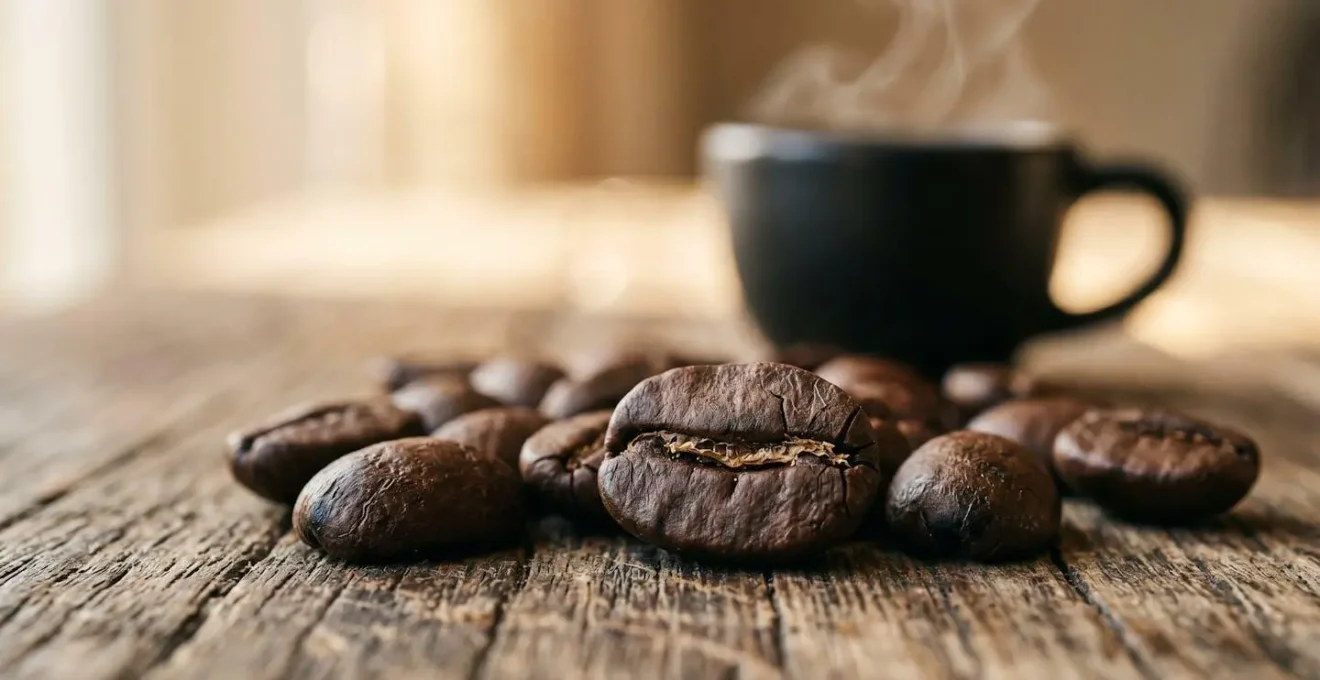
Finally, there is sensory uniqueness and critical acclaim. Geisha is renowned for its extraordinary aromatic profile of jasmine, bergamot, and tropical fruits, a complexity that has led to record-breaking auction prices and top scores in coffee competitions. This hype and proven quality create a feedback loop, driving demand far beyond the limited supply. The $15 price per cup is the retail expression of this entire value chain. It demonstrates a clear market principle: when verifiable scarcity is combined with exceptional, undeniable quality, a luxury price point is not just possible, but expected.
Key Takeaways
- The value of an icon wine like Grange is a composite of terroir, brand strategy, and technical integrity.
- Understanding regional differences (e.g., Barossa vs. Hunter) is critical to identifying blue-chip wine assets.
- Long-term value preservation is a key consideration, highlighting the importance of factors like provenance and closure choice.
Cellaring Potential: Which Australian Wines Will Actually Improve in 10 Years?
For any wine to be considered a serious investment, it must possess one non-negotiable trait: the ability to evolve and improve with age. A wine that merely survives in a cellar is a poor asset; one that transforms, developing layers of complexity and nuance, is where true value is generated. The 2018 Penfolds Grange is unequivocally engineered for the long haul, with a powerful structure of fruit, acid, and tannin that promises decades of positive evolution. Wine analysts widely agree that its ideal drinking window will not even begin for another decade.
However, not all Australian wines are built this way. Identifying investment-grade wines requires a disciplined approach. The most reliable guide in this pursuit is Langton’s Classification of Australian Wine, a rolling assessment of a wine’s performance on the secondary auction market. It provides a clear hierarchy of the country’s most collectible wines, moving beyond critics’ scores to focus on tangible market demand and provenance. For a collector, this classification is an indispensable tool for identifying wines with a proven track record of value appreciation.
A successful cellaring strategy also involves diversification. While blue-chip Shiraz like Grange and Henschke Hill of Grace form the bedrock of many portfolios, other Australian varietals offer outstanding potential for both sensory pleasure and financial return. An investor’s checklist should extend beyond the obvious choices.
An Investor’s Checklist: Assessing Australian Fine Wine
- Langton’s Classification: Does the wine appear in the ‘Exceptional’ or ‘Outstanding’ tiers, indicating proven secondary market performance? This includes icons like Penfolds Grange and Henschke Hill of Grace.
- Regional Pedigree: Does it come from a renowned region for that grape? Think Coonawarra for Cabernet Sauvignon (10-20 year potential), Clare Valley for Riesling (10+ years), or Hunter Valley for Semillon (known for its incredible transformation with age).
- Structural Integrity: Does the wine possess the necessary components for aging—concentrated fruit, firm tannins, and balanced acidity? This is the primary indicator of longevity.
- Producer Reputation: Is the producer known for quality and consistency across vintages? A strong track record is a key de-risking factor.
- Vintage Quality: Was the wine produced in a strong vintage for its region, ensuring optimal ripeness and balance?
By applying this structured approach, a collector can build a cellar that is not just full of delicious wines, but also full of assets poised for significant appreciation over the next decade and beyond. The 2018 Grange is a prime candidate that ticks every one of these boxes.
Shipping Wine to the UK: Is It Cheaper to Buy at the Cellar Door or Online?
For a UK-based collector, the final cost of acquiring a wine like Penfolds Grange extends beyond the initial purchase price. The decision of whether to buy directly at the cellar door in Australia or from a UK-based merchant involves a complex calculation of shipping costs, taxes, and the intangible value of provenance. While the romantic appeal of buying from the source is strong, the financial reality often favours purchasing locally from a reputable specialist.
When you personally import wine into the UK, you are liable for both Excise Duty and Value Added Tax (VAT). These costs are significant and can quickly erode any savings from a lower cellar door price. According to current UK import regulations for wine, the excise duty stands at £2.23 per 750ml bottle. Following that, a 20% VAT is applied not just to the cost of the wine itself, but to the combined total of the wine, the shipping cost, and the duty. This compounding effect makes personal importation an expensive proposition for small quantities.
In contrast, established UK wine merchants import at scale, consolidating shipments to reduce freight costs per bottle. They handle all the paperwork and offer the wine « in bond » (stored in a bonded warehouse before duties are paid), which is the preferred method for investment-grade wine as it guarantees provenance and defers the tax liability until the wine is withdrawn for consumption. Buying online from these merchants is almost always the more cost-effective and secure method for a serious collector.
Buyers will always pay more for provenance. No ullage, clean labels, no scuffed capsules, the wine’s cellaring history. Look after the wines you intend to sell well and cellar them in appropriate temperature- and light-stable conditions.
– Andrew Caillard, Langton’s Wine Auctions
Caillard’s advice underscores the ultimate truth of wine investment: the story of how the wine has been stored and handled is as important as the wine itself. The logistical simplicity and guaranteed provenance offered by a trusted UK merchant far outweigh the fleeting romance of a cellar door purchase.
To secure a wine like the 2018 Grange with impeccable provenance and a clear cost structure, the logical next step is to engage with a trusted fine wine merchant in the UK. They can provide access to wines stored in bond and offer expert advice on building a balanced portfolio.