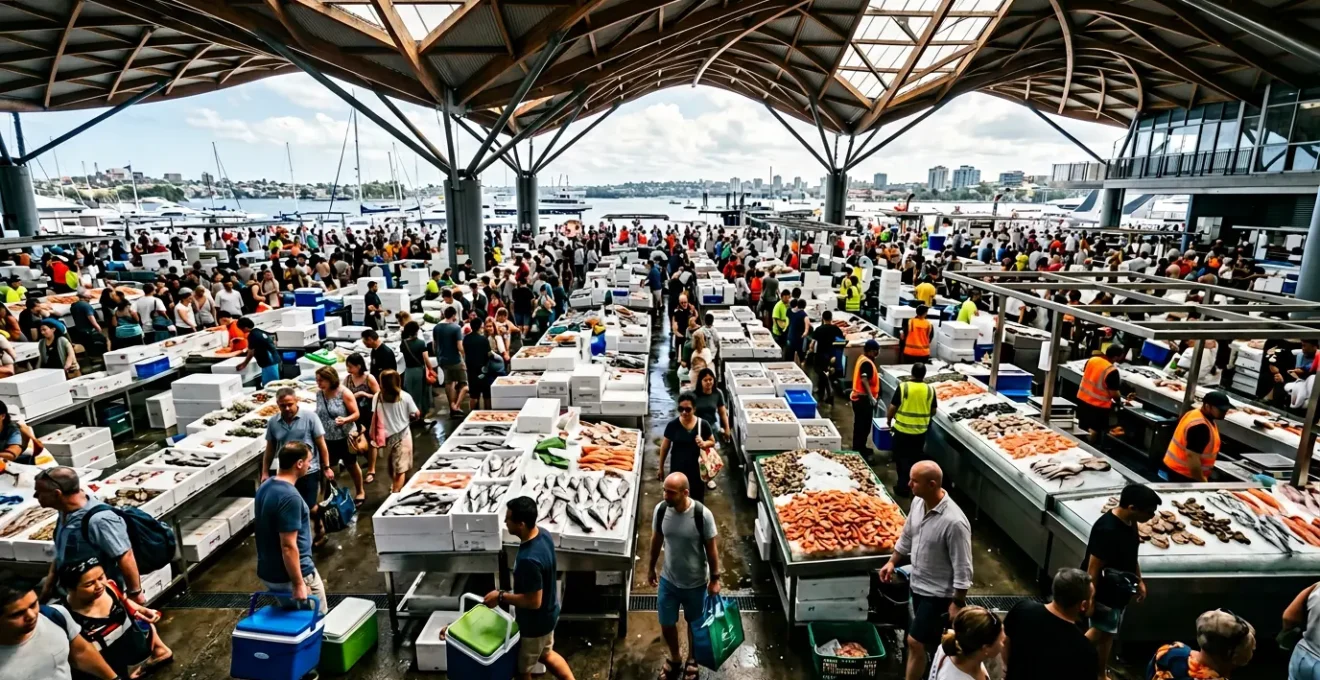
The key to conquering the Sydney Fish Market’s Christmas marathon isn’t luck; it’s a military-grade logistical plan.
- Prioritise cold chain integrity above all else to ensure food safety and quality from market to home.
- Execute a pre-planned route by mapping your target vendors to avoid bottlenecks and wasted time.
Recommendation: Treat your visit as a mission, not a casual shopping trip. Draft your operational plan, time your entry, and execute with precision to guarantee both premium seafood and your sanity.
The Sydney Fish Market’s 36-hour Christmas marathon is an iconic, chaotic, and quintessentially Sydney experience. The scent of fresh brine mixes with the roar of a hundred thousand determined shoppers on a single-minded quest for the perfect Christmas prawns and oysters. For the unprepared, this event can feel like a battle against overwhelming odds, a frantic scramble through a sea of people. Most advice boils down to a simple, unhelpful platitude: « arrive early. » But what if the real secret wasn’t just about enduring the chaos, but outsmarting it?
This is where a shift in mindset becomes a strategic advantage. Surviving—and thriving—during this marathon isn’t a matter of luck or brute force. It’s a matter of logistics. By treating the Sydney Fish Market not as a shopping centre but as a complex supply chain system, you can navigate it with surgical precision. This guide reframes the experience through the eyes of a logistics expert, moving beyond generic tips to provide a tactical framework for efficiency. We will dissect the operation into distinct phases, from quality control at the point of purchase to asset protection on the journey home.
This article will provide you with a comprehensive operational plan. We will cover how to perform rapid quality control checks, master high-speed prawn peeling, guarantee cold chain integrity in a hot car, and even defend your hard-won lunch from opportunistic seagulls. By applying these logistical principles, you will transform a potentially stressful ordeal into a successful mission, securing the highest quality seafood with minimal friction.
Summary: Your Tactical Operations Manual for the Sydney Fish Market Christmas Rush
- Clear Eyes and Red Gills: How to Tell If a Snapper Is Actually Fresh?
- Prawn Peeling: How to De-Shell 1kg of Prawns in Under 5 Minutes?
- Polystyrene Boxes: How Long Will Seafood Stay Cold in a Car?
- Seagull Defense: How to Eat Fish and Chips Outside Without Being Attacked?
- Behind the Scenes: Can Public Visitors Watch the Wholesale Auction?
- Kitchen Closing Times: Why Can’t You Get Lunch at 3 PM?
- Darling Harbour Dining: How to Spot Overpriced « Tourist Menu » Traps?
- Wild Caught vs Farmed Barramundi: Why Does the Taste Differ So Drastically?
Clear Eyes and Red Gills: How to Tell If a Snapper Is Actually Fresh?
At the frantic pace of the Christmas marathon, the first and most critical logistical checkpoint is quality control. Purchasing seafood isn’t a game of chance; it’s a rapid, systematic inspection. Don’t be swayed by a « special » price or a bustling queue. Your mission is to verify freshness with your own eyes and knowledge. A truly fresh whole fish like a snapper communicates its quality through clear, non-negotiable signals. Treating this as a three-point inspection process ensures you make an informed decision in seconds, not minutes.
First, inspect the eyes. They should be bright, clear, and plump, not cloudy, sunken, or hazy. Cloudiness is a direct indicator that the decomposition process has begun, as proteins in the lens begin to break down. Second, lift the gill cover and inspect the gills. They must be a vibrant, clean red, resembling the color of fresh blood. Brown, grey, or slimy gills signal a lack of oxygen and age. This is one of the fastest ways to assess how recently the fish was caught. Finally, assess the flesh and skin. The skin should be shiny and moist, with its scales intact. Gently press the flesh; it should be firm and spring back immediately. If your fingerprint remains, the muscle structure has started to degrade.
This three-point check—eyes, gills, flesh—is your frontline defense against a poor purchase. It takes no more than five seconds and is the most reliable quality assurance protocol you can perform on the market floor. Remember that once you’ve made your selection, the clock starts ticking. Seafood safety experts advise consuming fresh fish within 1-2 days of purchase when properly refrigerated below 4°C, making your post-purchase logistics just as important as the initial selection.
Prawn Peeling: How to De-Shell 1kg of Prawns in Under 5 Minutes?
Once the primary acquisition mission is complete, the focus shifts to post-processing efficiency. Peeling a kilogram of prawns can be a tedious bottleneck in your Christmas meal preparation. However, applying a time-motion study approach reveals that the right technique can drastically reduce time and effort. The goal isn’t just to remove the shell, but to do so with speed while preserving the integrity of the prawn meat. Traditional hand peeling is reliable but slow; leveraging a simple tool can multiply your output.
The most effective method for balancing speed and quality is using kitchen shears or sharp scissors. Start by cutting up the back of the prawn through the shell, from the head towards the tail. This single motion not only opens the shell for easy removal but also exposes the digestive tract for quick deveining. Once the cut is made, the shell can be peeled away in two clean pieces, and the vein can be pulled out or rinsed away. This technique systematically combines two steps into one, minimizing handling time per prawn.
This comparative analysis shows the clear trade-offs between different prawn peeling methodologies. While hand peeling is excellent for presentation, a tool-assisted approach is superior for bulk processing. As this comparative guide to deveining shrimp demonstrates, the right tool is a force multiplier.
| Method | Speed (1kg) | Difficulty | Prawn Integrity | Best For |
|---|---|---|---|---|
| Kitchen Shears | 4-6 minutes | Easy | Good (minor cuts) | Speed and efficiency |
| Hand Peel (Traditional) | 8-12 minutes | Medium | Excellent (intact) | Presentation and whole prawns |
| Toothpick Method (Shell-On) | 10-15 minutes | Medium | Perfect (shell intact) | Cooking with shells on |
| Automated Machine | 1-2 minutes | N/A | Variable (some breakage) | Commercial volume processing |
Case Study: The Speed-Quality Trade-off in Commercial Automation
To understand the peak of peeling efficiency, we can look at commercial operations. As highlighted in a report on automated approaches, Gregor Jonsson’s peeling systems can process up to 6,000 shrimp per hour. This is over ten times faster than a manual peeler. While this technology dramatically improves speed and hygiene, it comes at the cost of some product breakage and shell fragments. This illustrates a core logistical principle: maximum speed often involves a compromise in perfect quality, making manual methods still superior for premium, high-stakes presentation.
Polystyrene Boxes: How Long Will Seafood Stay Cold in a Car?
The most critical phase of your seafood logistics operation is transport. Maintaining an unbroken « cold chain » from the vendor to your home refrigerator is non-negotiable. A polystyrene box, or esky, is your primary tool, but it’s not foolproof. The external environment, particularly a hot car on a Sydney summer day, is actively working against you. Understanding the time limits and optimizing your setup is essential to prevent product loss and ensure food safety.
The critical window is shockingly short. According to FDA food safety guidelines, perishable food should not be left in the « temperature danger zone » (between 4°C and 60°C) for more than two hours. This time is reduced to just one hour if the ambient temperature is above 32°C (90°F)—a common scenario in a parked car at Christmas. This means your entire journey, from paying for the seafood to placing it in your fridge, must be executed with military precision. Your polystyrene box is a temporary shield, not a portable freezer.
To maximize its effectiveness, you must follow a strict protocol. It’s not just about throwing seafood and ice into a box; it’s about creating a stable, multi-layered cooling system that can withstand the journey home. Proper packing methodology ensures 360-degree cooling and prevents the product from becoming waterlogged as the ice inevitably melts.
Action Plan: The Cold Chain Protection Protocol
- Pre-chill: Pre-chill your esky overnight before the market visit to maximize its cold retention capacity.
- Elevate: Create a ‘false bottom’ using an inverted tray to keep seafood elevated above meltwater and prevent sogginess.
- Layer: Layer ice strategically: a bottom layer of ice, then your seafood, followed by a top ice layer for full cooling coverage.
- Use Cold Packs: Use frozen water bottles as structural cold packs that won’t create an initial mess from meltwater.
- Minimize Exposure: Park in the shade and minimize opening the esky during the queue, walk to the car, and drive home.
- Transfer Promptly: Transfer all seafood to your home refrigerator within the two-hour maximum window, ensuring it is stored below 4°C.
Seagull Defense: How to Eat Fish and Chips Outside Without Being Attacked?
Once your primary seafood haul is secured in the car, you might decide to reward yourself with a hot lunch. This initiates a new logistical challenge: asset protection. The seagulls at the Sydney Fish Market are not just birds; they are highly organized, opportunistic thieves who have mastered the art of psychological warfare against distracted diners. Protecting your fish and chips requires not aggression, but a strategy of deterrence based on posture and situational awareness.
The key is to understand your adversary. Seagulls are experts at identifying soft targets. They look for diners who are hesitant, distracted by conversation, or holding their food loosely and away from their bodies. They interpret this as an invitation. The most effective defense is to project an aura of control and assertiveness. This isn’t about staring them down, but about demonstrating through body language that you are not an easy mark. Maintain a defensive eating posture: keep your food close to your body, eat with purpose, and maintain constant eye contact with your meal, not the sky.

As shown in the tense interaction above, the battle is won or lost in your posture and awareness. Avoid eating while walking, as this makes you a mobile, vulnerable target. If possible, sit with your back to a wall to limit the angles of attack. By removing the element of surprise and projecting confidence, you make yourself a less appealing target, encouraging the gulls to seek out a more distracted victim. It’s a simple, non-confrontational strategy that protects your lunch far more effectively than swatting or shouting.
Behind the Scenes: Can Public Visitors Watch the Wholesale Auction?
To fully grasp the logistical scale of the Sydney Fish Market, it’s useful to understand its core: the daily wholesale auction. This is the engine room of the entire operation, where a massive volume of seafood is traded before the retail floors even open. While the general public cannot participate or purchase directly from the auction, gaining insight into this process adds a new layer of appreciation for the seafood you buy. It is the start of the entire supply chain you are engaging with.
The auction is a highly controlled, trade-only event for registered buyers. However, the market offers behind-the-scenes tours that grant visitors access to observe the action from a viewing platform. This is where you can witness the famous « Dutch auction » system in person. Unlike a traditional auction where prices go up, here the price starts high and drops rapidly on a large digital clock until a buyer buzzes in to claim the crate at that price. This method is designed for speed and efficiency, allowing huge quantities of product to be sold in a very short time.
As the Sydney Fish Market’s official tour description notes, the scale of this operation is immense, providing a rare glimpse into the commercial heart of Australia’s seafood industry. Understanding this process provides valuable context for the products you see on the retail floor later in the day.
The Dutch auction system in action, selling more than 50 tonnes of fresh seafood to 150+ buyers.
– Sydney Fish Market Official Tours, Behind-the-Scenes Auction Floor Tour Description
Kitchen Closing Times: Why Can’t You Get Lunch at 3 PM?
Navigating the food service vendors at the Sydney Fish Market requires understanding the operational rhythm of a commercial kitchen. Many visitors are frustrated to find their favourite hot food vendor closed at 3 PM, just as they’re ready for a late lunch. This isn’t poor service; it’s a critical, non-negotiable part of restaurant logistics known as the « mise en place » window. Between the peak lunch rush (around 1 PM) and the start of dinner service (around 5 PM), kitchens must shut down to clean, restock, and prepare for the evening.
This mid-afternoon reset is an operational necessity. Attempting to serve customers during this period would compromise both the quality of the dinner service and the hygiene of the kitchen. A smart visitor doesn’t fight this rhythm but works with it. By planning your visit around these operational hours, you can align your hunger with peak service times, ensuring you get the freshest food and the widest selection. This requires a strategic approach to your timeline for the day.
Instead of arriving randomly, adopt an « All-Day Grazing Timeline » to align your activities with the market’s operational flow. This ensures you are in the right place at the right time for every type of purchase or meal.
- 7 AM – 9 AM: The Early Bird Advantage. This is the golden hour for purchasing from retail counters. You get the freshest selection with minimal crowds, and can grab a hot coffee and bakery items to fuel your mission.
- 11 AM – 1 PM: Peak Lunch Service. Full restaurant menus are operating at maximum capacity. This is the time for freshly shucked oysters and complex hot dishes.
- 2 PM – 3 PM: The Mise en Place Window. The main restaurant kitchens close for their critical reset. Expect limited to no hot food service from these venues.
- 3 PM – 5 PM: The Snack Zone. Shift your focus to simpler vendors. Seek out retailers with ready-to-eat items like sashimi plates, pre-cooked prawns, or grill-only vendors cooking octopus or calamari to order, as they don’t require a full kitchen shutdown.
- 5 PM Onward: Dinner Service Begins. Restaurants reopen with their full evening menus, refreshed and ready for the next wave of diners.
Darling Harbour Dining: How to Spot Overpriced « Tourist Menu » Traps?
The Sydney Fish Market’s proximity to Darling Harbour means you are in an area with a high concentration of « tourist trap » restaurants. After navigating the market with logistical precision, the last thing you want is to fall for an overpriced, low-quality meal. Vendor vetting is a crucial final step. A tourist trap is identifiable by a clear set of red flags—signals of a business model focused on high-volume, low-quality turnover rather than culinary excellence.
These establishments prey on uninformed customers by prioritizing location and generic appeal over food quality and sourcing. Their menus are often a « jack of all trades, » offering everything from pizza to seafood platters, which is a tell-tale sign of a lack of specialization and a reliance on frozen, pre-prepared ingredients. The prime waterfront view becomes the main product, with the food as an afterthought. Learning to spot these warning signs is a form of quality assurance that protects both your wallet and your palate.
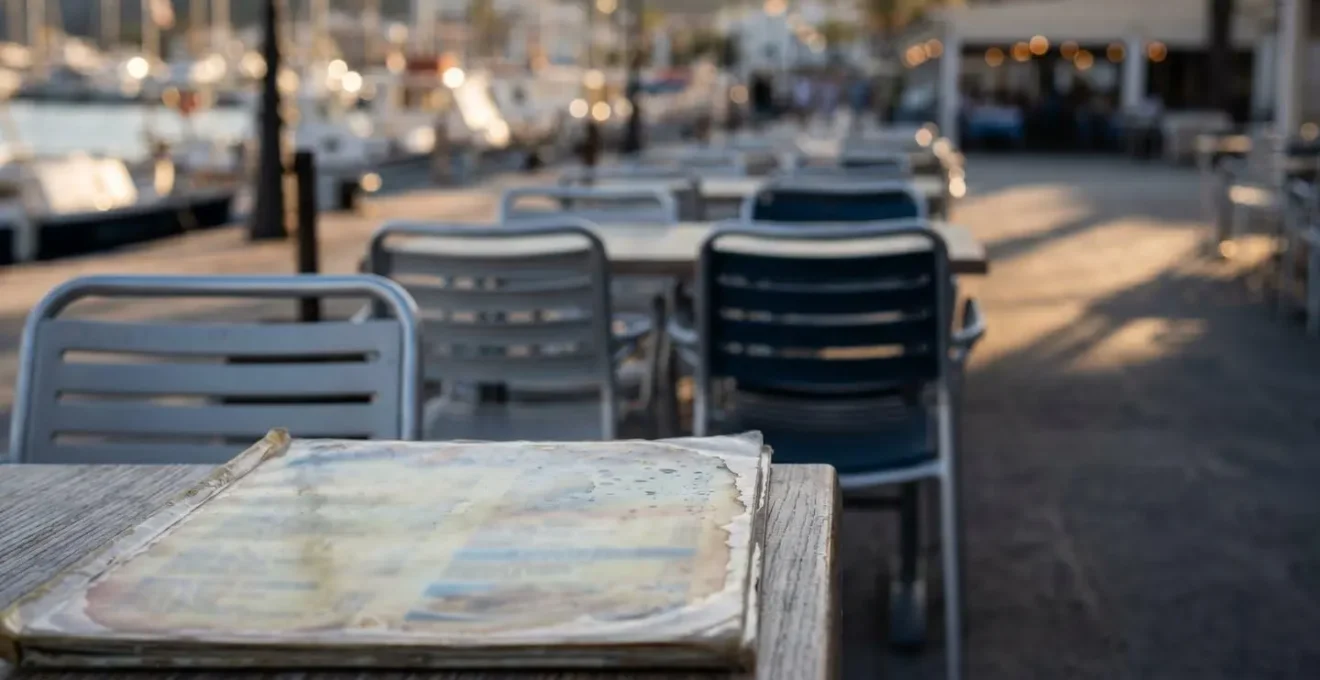
The visual cues, like the faded, laminated menus shown above, are often the first giveaway. A quality establishment is proud of its fresh, seasonal offerings and is more likely to have a daily or weekly printed menu. Use the following checklist to perform a rapid assessment of any potential dining spot.
- Red Flag 1: The Pavement Host. A restaurant needing a staff member to aggressively beckon customers from the street is often a sign of low demand and poor reputation.
- Red Flag 2: The Laminated Photo Menu. Multi-language menus with faded, unappetizing photos of generic dishes signal a focus on tourists, not quality.
- Red Flag 3: The ‘Jack of All Trades’ Menu. A menu that serves pizza, pasta, Thai curry, and seafood indicates a lack of focus and expertise. Great seafood restaurants focus on seafood.
- Red Flag 4: View Over Value. The main selling point is the prime waterfront view, with little or no mention of the food’s sourcing, preparation, or the chef’s credentials.
- Red Flag 5: Vague Seafood Descriptions. Be wary of vague terms like ‘Fish of the Day’ or ‘Fresh Catch’ without the species, origin, or wild/farmed distinction being named. Transparency is a hallmark of quality.
Key Takeaways
- Cold chain integrity is the most critical, non-negotiable element of your seafood acquisition mission.
- Operational efficiency is achieved through pre-planning: map your target vendors and time your visit around kitchen schedules.
- Quality control is a systematic process, involving rapid checks for freshness at purchase and vetting vendors to avoid tourist traps.
Wild Caught vs Farmed Barramundi: Why Does the Taste Differ So Drastically?
Your final logistical decision at the market often comes down to product specification. Choosing between wild-caught and farmed barramundi is a perfect example. To the untrained eye, they may look similar, but from a culinary and logistical perspective, they are two different products with distinct characteristics. The drastic difference in taste and texture is a direct result of their environment, diet, and lifestyle. Understanding this allows you to select the right product for your intended cooking method and flavor profile.
A wild-caught barramundi has spent its life swimming vast distances and hunting a varied diet of smaller fish and crustaceans. This results in a leaner, firmer flesh with a more complex, mineral-rich ‘ocean’ flavour. Its muscle structure is more developed, leading to a delicate yet firm texture when cooked. A farmed barramundi, in contrast, lives in a controlled environment with less room to roam and is fed a consistent, high-fat pellet diet. This produces a fish with a higher fat content, a softer, more forgiving texture, and a milder, more consistent flavour that can sometimes carry earthy undertones from the water system.
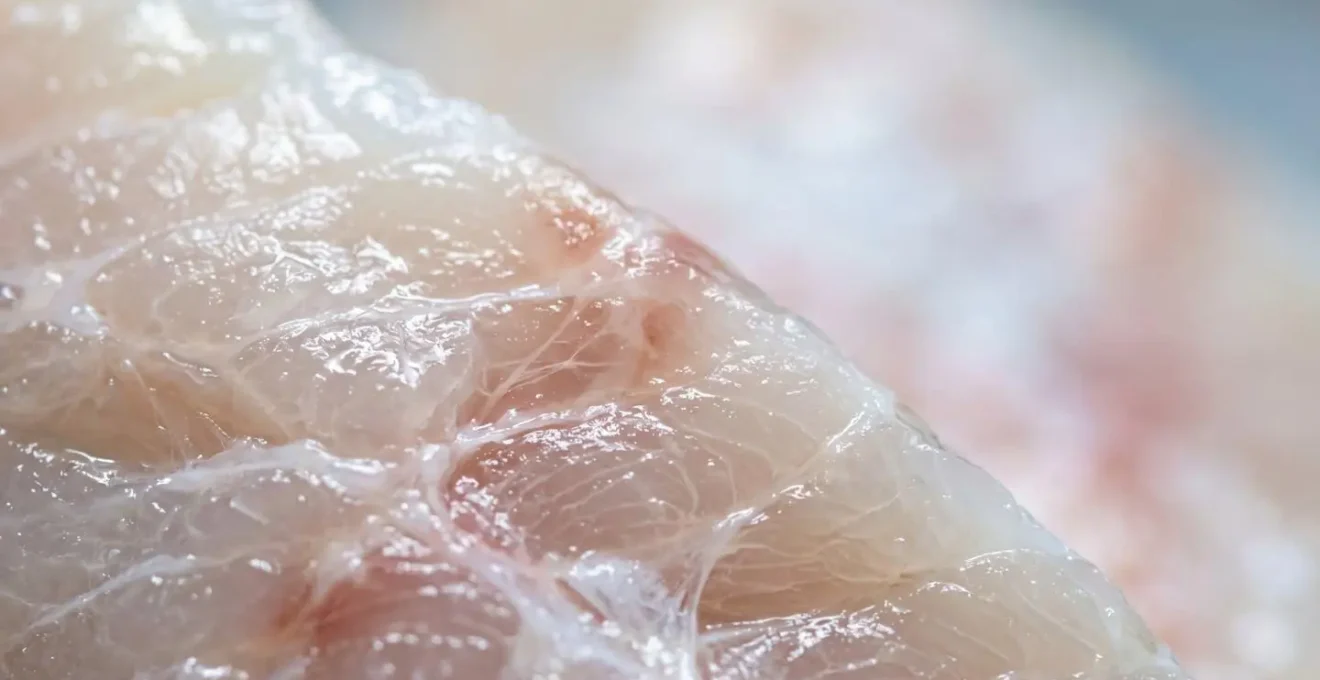
This difference in fat content and muscle fiber, visible even at a micro level, dictates the best cooking method. The lean, firm flesh of a wild barra is best suited to gentle methods like steaming or baking, which preserve its delicate texture. The higher fat content of a farmed barra makes it more robust and better suited to high-heat methods like pan-searing for a crispy skin, as the fat helps keep the flesh moist. A detailed culinary and environmental profile can help in making the final choice.
| Characteristic | Wild-Caught Barramundi | Farmed Barramundi |
|---|---|---|
| Flavor Profile | Leaner, firmer, complex ‘ocean’ flavor with pronounced taste | Fattier, softer, milder flavor, sometimes earthy undertones |
| Texture | Firm flesh from constant swimming, delicate when cooked | Higher fat content, forgiving texture, holds moisture well |
| Diet Influence | Varied natural diet (small fish, crustaceans) creates complexity | Controlled pellet diet creates consistent, mild flavor |
| Best Cooking Method | Gentle methods: steaming, baking en papillote, poaching | High-heat methods: crispy-skin pan-searing, grilling, frying |
| Sustainability Considerations | Pressure on wild stocks, seasonality impacts availability | Lower wild stock pressure, but aquaculture environmental footprint (seek ASC certification) |
| Price Point | Generally higher due to fishing costs and scarcity | More affordable, consistent year-round availability |
Armed with this logistical framework, your next step is to draft your own operational plan. Map your vendors, time your entry, and execute your Christmas seafood mission with the confidence and precision of a seasoned expert.