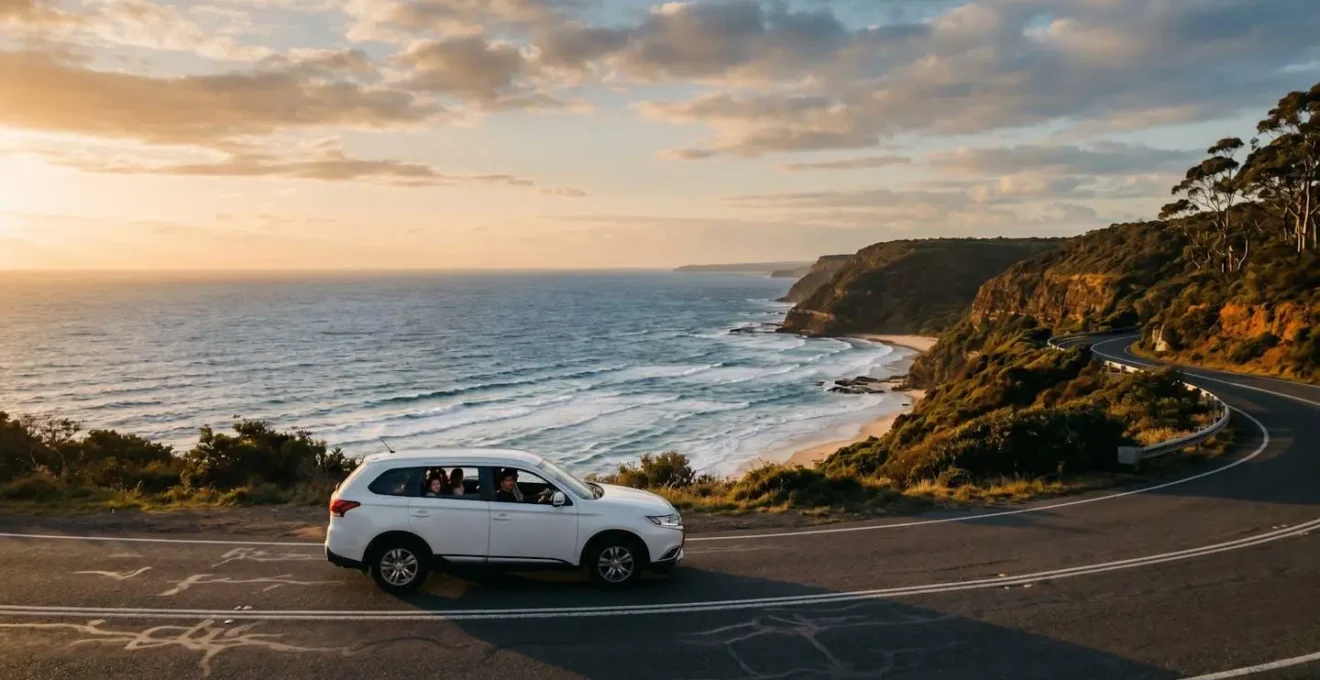
In summary:
- Transform the drive by treating stops as « micro-destinations, » not just breaks.
- Plan your Sydney departure time strategically to avoid the notorious Hexham Bridge bottleneck.
- Prioritise stops with a dual purpose: safe play areas for kids and genuine rest for adults.
- Choose a travel philosophy: a relaxed two-day « stopover » or an efficient one-day « power-through. »
- Pack a dedicated BBQ kit and first-aid kit to be prepared for any roadside opportunity or mishap.
The mere thought of the 10-hour, 900-kilometre drive from Sydney to Brisbane can send a shiver down any parent’s spine. Visions of endless « are we there yet? » choruses, backseat squabbles, and a desperate reliance on lukewarm service station sausage rolls are enough to make you question the holiday altogether. The standard advice is always the same: pack snacks, load up the iPad, and just push through. Many guides will list the same old towns and attractions as if ticking boxes on a scavenger hunt.
But what if the secret to a successful family road trip isn’t about enduring the journey, but about redesigning it? The real key is to shift your mindset from « getting there » to « being there. » This means abandoning the idea of a single, monolithic drive and embracing a curated series of « micro-destinations. » Each stop becomes a deliberate, planned mini-adventure designed to burn energy, create a memory, and reset the family mood, turning the Pacific Highway from a challenge to be conquered into the first chapter of your holiday.
This guide provides a practical blueprint for that shift. We’ll explore specific strategies for timing your departure, finding genuinely good food, identifying the safest places for a swim, and even how to handle the philosophical choice between a single-day push and a relaxed overnight stay. Get ready to transform your next road trip into an experience the whole family will actually enjoy.
Summary: The Ultimate Sydney to Brisbane Drive with Kids
- Hexham Bridge Bottleneck: What Time Should You Avoid Leaving Sydney?
- The Big Banana: Is It Still Worth a Stop for a Photo?
- Patrolled Beaches: Where Can Kids Swim Safely Near Coffs Harbour?
- Beyond McDonald’s: Where to Find Healthy Roadside Food in Port Macquarie?
- Driver Reviver Stations: Free Coffee Spots You Should Actually Use
- Qantas vs Emirates: Which Airline Offers the Best Stopover for Families?
- Public BBQs in Parks: How to Operate the Electric Hotplates Correctly?
- Whitsundays in Stinger Season: Is It Safe to Swim Without a Suit?
Hexham Bridge Bottleneck: What Time Should You Avoid Leaving Sydney?
The success or failure of your entire first day can be decided before you even leave your driveway. The Hexham Bridge, just north of Newcastle, is the first major hurdle and a notorious chokepoint for traffic heading north. Hitting it at the wrong time can add an hour or more of frustrating, stationary « fun » to your trip. With more than 20,000 road vehicles crossing it on an average weekday, timing is everything.
Forget a casual 9 AM departure. To beat the bottleneck, you need a clear strategy. The goal is to pass through the Newcastle and Hunter region well outside of peak commuter and holiday traffic windows. The two most effective strategies are polar opposites: the pre-dawn escape or the post-lunch cruise.
For families with young children, the 5:00 AM departure is a game-changer. It sounds brutal, but it allows you to transfer sleeping kids from bed to car. They’ll likely sleep through the entire Sydney metro exit and the Hexham crawl, waking up refreshed and ready for a breakfast stop somewhere north of the chaos, like Bulahdelah or Nabiac. The alternative is the 1:00 PM departure, which works well if your kids still have an afternoon nap. They can sleep after lunch, and you’ll hit the Hexham area after the morning peak has subsided but before the afternoon rush begins. During school holidays, all bets are off, and leaving even earlier is your best defense.
The Big Banana: Is It Still Worth a Stop for a Photo?
Ah, the Big Banana. It’s the quintessential, non-negotiable photo-op of the Sydney-Brisbane drive. But in an era of sophisticated theme parks, is a giant piece of fruit still worth the stop? The answer is a resounding yes, but only if you approach it with the right strategy. The key is understanding that the Big Banana Fun Park operates on a clever two-tier system that parents can use to their advantage.
Entry to the park itself is completely free. This means you can achieve the primary mission—the iconic family photo in front of the banana—without spending a single dollar. You can also use the clean toilets, browse the massive candy kitchen (a highlight for many kids), and let the family stretch their legs. This « photo and dash » stop can be done in a swift 20 minutes, making it a perfect, low-investment micro-destination.
Case Study: The Free vs. Paid Experience at The Big Banana
The Big Banana’s flexible model allows parents to control both time and budget. The free-entry option provides access to the main photo, facilities, and shops. However, be warned: the gauntlet of paid attractions like the water park, toboggan, and mini-golf is highly visible. The « meltdown risk » is high if you haven’t set expectations beforehand. A successful strategy involves framing the stop clearly: « We’re stopping for a quick photo and a look at the lolly shop. » For a longer, full-service break designed to burn serious energy, allocating a budget for one or two rides can turn the stop into a major trip highlight, but it requires a commitment of 2-3 hours.
Ultimately, the Big Banana’s worth lies in its flexibility. It can be a quick, free, and nostalgic pit stop or a half-day of fun. The choice is yours, but managing your kids’ expectations before you pull off the highway is the most important part of the plan.
Patrolled Beaches: Where Can Kids Swim Safely Near Coffs Harbour?
Around the six-hour mark, just as restlessness is reaching its peak, the stunning coastline around Coffs Harbour offers the perfect antidote: a refreshing ocean swim. However, not all beaches are created equal, especially when travelling with children. The single most important rule is to only swim at patrolled beaches, and always between the red and yellow flags. These flags are not a suggestion; they mark the safest area of the beach as determined by experienced surf lifesavers.

In the Coffs Harbour area, you have several excellent, family-friendly options. Park Beach is the main patrolled beach, located conveniently close to the town centre and backed by holiday parks and reserves. For families with younger children, Jetty Beach, nestled inside the harbour, offers much calmer, gentler waters. While it may not always be patrolled, its sheltered nature makes it a popular choice for a low-stress paddle. A little further south, Sawtell Beach also has a patrolled area and a lovely seaside village vibe for a post-swim ice cream.
Before you even pack the car, check the Surf Life Saving Australia’s « Beachsafe » app or website. It provides real-time information on which beaches are patrolled, patrol hours, and current conditions. Turning a beach stop into a safe and fun micro-destination requires this little bit of planning, ensuring the kids can splash and play while parents can relax, knowing they are in the safest possible spot.
Beyond McDonald’s: Where to Find Healthy Roadside Food in Port Macquarie?
By the time you reach Port Macquarie, the halfway point, the temptation to pull into the nearest fast-food joint is immense. But you don’t have to surrender to a diet of nuggets and fries. Port Macquarie has a fantastic selection of healthy, kid-friendly cafes and restaurants that are just as convenient and will leave your family feeling energised, not sluggish.
The key is to look for venues that combine a good menu with a great location, preferably with a park or water view. Here are some parent-approved spots:
- Chop ‘n Chill (Town Green): A clear winner for families. It overlooks the Hastings River and a large playground, allowing parents to watch the kids play from their table. The menu is diverse with plenty of healthy options.
- Sandbox (Flynns Beach): A beachfront cafe with a relaxed vibe, easy pram access, and great breakfast/lunch options, including the perennially popular Acai bowls.
- Little Shack (Munster Street): Known for its fresh, local menu and beautiful water views, it’s a great spot for a relaxed meal where the kids can watch boats and pelicans.
- Rainforest Cafe (Sea Acres): For a truly unique experience, this cafe is set under a glass canopy in a forest. It offers smaller portions for kids and makes the meal stop an adventure in itself.
Case Study: The Ultimate Picnic Upgrade Strategy
Savvy families are hacking the meal stop by using Chop ‘n Chill’s takeaway service for a premium picnic. Instead of dining in, they order healthy wraps and salads to go and set up at a picnic table on the adjacent Town Green. This strategy saves money, eliminates the pressure of « restaurant behaviour, » and allows kids to run free at the playground. It transforms a simple meal break into a destination stop where the whole family can recharge properly.
With a little planning, your Port Macquarie stop can be a culinary highlight, proving that roadside food can be both healthy and enjoyable.
Driver Reviver Stations: Free Coffee Spots You Should Actually Use
On a long-haul drive, fatigue is the silent enemy. The official advice to stop every two hours is easy to ignore when you’re trying to « make good time. » This is where Driver Reviver stations become your most valuable ally. These humble, volunteer-run sites are more than just a spot for a free coffee and a biscuit; they are a critical tool for managing driver fatigue and breaking the hypnotic rhythm of the highway.
The distance between Brisbane and Sydney is approximately 900km, which takes 10-12 hours of driving without breaks.
– SEA LIFE Sydney Aquarium, Family Road Trip Tips
Unlike a sterile service station where the goal is to get in and out as fast as possible, Driver Revivers are designed for a proper mental and physical reset. The friendly volunteers from organisations like the Lions Club or SES create a welcoming atmosphere that encourages you to actually stop, get out of the car, and take a genuine 15-minute break. This short pause away from the vehicle is proven to be far more effective at reducing fatigue than a quick stop where you stay by the car.
These stops are also perfect for a bit of family logistics. While one parent grabs the coffees, the other can take the kids to the toilet. Then, you can use the time to let the kids run around a safe, grassy area, reorganise the car snacks, and prepare the next round of entertainment. Think of them not as a delay, but as a scheduled, strategic intervention that makes the entire journey safer and more pleasant.
Your 15-Minute Driver Reviver Action Plan
- Timing Strategy: Plan to stop every 2 hours or 200km maximum; use Driver Reviver sites as mandatory reset points to combat highway hypnosis.
- Volunteer Experience: Embrace the welcoming, non-commercial atmosphere; the free Arnott’s biscuit is a bonus!
- Efficiency Maximization: Coordinate the stop—one parent gets coffee while the other handles the toilet run, then swap for leg stretches.
- Snack Restock: Use the break to reorganise car snacks, refill water bottles, and prepare entertainment for the next leg of the journey.
- Psychological Benefit: A full stop away from the vehicle provides a crucial mental break from the task of driving, reducing fatigue more effectively.
Qantas vs Emirates: Which Airline Offers the Best Stopover for Families?
When planning a long-haul journey, you face a fundamental choice: do you fly direct and power through, or do you build in a comfortable stopover? The Sydney to Brisbane drive presents the exact same strategic dilemma. Your choice of « travel philosophy » will define the entire experience. Are you taking the ‘Qantas’ approach—a premium, full-service journey with a planned overnight stop? Or the ‘Jetstar’ approach—a no-frills, budget-conscious push to get from A to B in a single day?
The ‘Qantas’ approach involves breaking the drive with an overnight stay, typically in Port Macquarie or Coffs Harbour. This transforms the 10-12 hour endurance test into two manageable 5-6 hour drives. It adds the cost of accommodation but turns the journey itself into a mini-holiday. You have time to visit local attractions like the Koala Hospital, enjoy a relaxed dinner, and start the next day refreshed. This is the recommended strategy for families with children under 8 or those travelling during peak school holiday periods when traffic is heavy and patience is thin.
The ‘Jetstar’ power-through approach, on the other hand, is all about efficiency. It saves money and a day of travel time, but it demands military-grade planning. This strategy works best for families with older kids (9+) who are more resilient to long car journeys. Success hinges on a pre-dawn departure, a strict adherence to the 2-hour break rule using Driver Reviver stations, pre-packed meals to avoid long cafe stops, and a well-oiled machine of in-car entertainment.
This table breaks down the different types of stops you might take, depending on your chosen travel philosophy.
| Stop Type | Example Location | Time Investment | Cost Range | Family Benefits | Best For |
|---|---|---|---|---|---|
| Full-Service Stop | Big Banana Fun Park | 2-4 hours | $50-200+ family | Multiple activities, toilets, food, full energy burn | Mid-journey major break |
| Budget Stop | Public park with BBQ | 30-60 mins | $0-20 (food only) | Free play, picnic, stretch legs, basic facilities | Frequent short breaks |
| Hybrid Stop | Jetty Beach + nearby cafe | 1-2 hours | $20-50 | Free beach play + meal option | Flexible timing needs |
Public BBQs in Parks: How to Operate the Electric Hotplates Correctly?
One of the great joys of an Australian road trip is the humble public barbecue. Dotted in parks and reserves along the entire Pacific Highway, these free electric hotplates offer a fantastic opportunity to have a cheap, healthy, and fun meal outdoors. It’s the ultimate way to turn a simple lunch break into a memorable micro-destination, letting the kids run free while you cook up a classic sausage sizzle.
Operating them is incredibly simple. Most hotplates have a single push-button. Press it firmly, and it will typically heat up for a 15-20 minute cycle. There’s often a small light to indicate it’s on. The key is patience and preparation. The hotplates can take 5-10 minutes to reach full temperature. The unwritten rule of public BBQ etiquette is to always leave it cleaner than you found it. A quick scrape down after you’re done is essential.
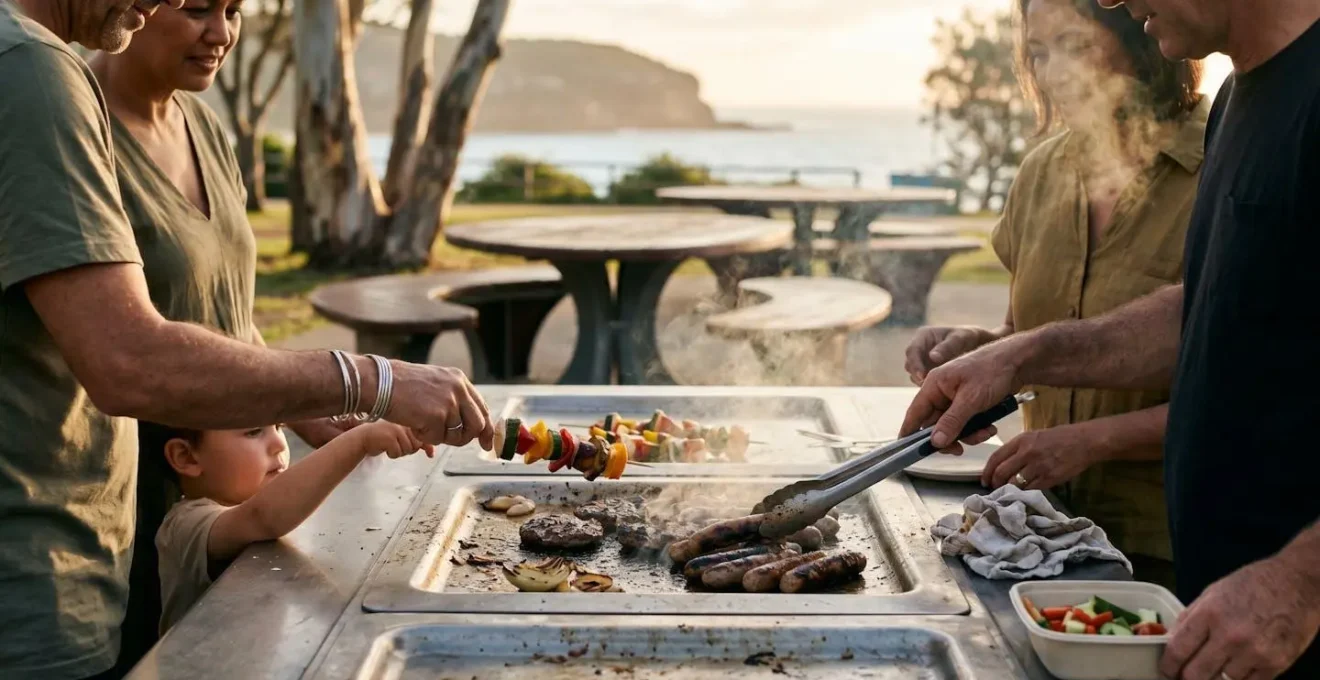
Success, however, depends on having the right gear on hand. A dedicated BBQ kit in your boot means you can take advantage of a great spot whenever you find one.
- Core Tools: Long-handled tongs and a spatula are non-negotiable. A small bottle of cooking oil is crucial for seasoning the hotplate.
- Cleaning Supplies: A roll of paper towel, a small scraper, and some aluminum foil are essential. The classic Aussie trick is to use half an onion to clean the hotplate while it’s still warm.
- Food Prep: Marinate your meat beforehand and transport it in ziplock bags. Pre-chopped salad in a container makes for an easy side dish.
- The Extras: Don’t forget wet wipes for sticky hands and a garbage bag to take all your rubbish with you.
Having this simple kit ready elevates your road trip from a series of service station stops to a journey filled with potential alfresco feasts.
Key Takeaways
- Reframe the drive by planning a series of « micro-destinations » to create fun and burn off energy.
- Your departure time from Sydney is critical; leave before 6 AM or after 1 PM to avoid the Hexham bottleneck.
- Choose your travel philosophy: a relaxed two-day trip with an overnight stop, or a highly-planned one-day « power-through. »
Whitsundays in Stinger Season: Is It Safe to Swim Without a Suit?
You would never swim in the Whitsundays during stinger season without a protective suit. It’s an accepted risk that you prepare for. Similarly, embarking on the 900km drive from Sydney to Brisbane without preparing for the common roadside ‘stings’—from scrapes and bites to sunburn and driver fatigue—is a risk not worth taking. A well-stocked, easily accessible first-aid kit isn’t just a ‘nice to have’; it’s an essential piece of equipment for a safe and stress-free family journey.
Your road trip safety kit needs to cover the most common issues you’re likely to face on the Pacific Highway. This includes more than just a few bandages. You need to be ready for everything from insect bites at a rest stop to motion sickness on winding sections of the road. Sun protection is another critical hazard; the Australian sun can be fierce, even through car windows, so regular application of SPF50+ sunscreen is vital during every stop.
Another major ‘sting’ to be aware of is wildlife, particularly at dawn and dusk. Kangaroos and wallabies are most active between 5 PM and 7 PM. If you find yourself driving through rural areas during these times, significantly reduce your speed and be extra vigilant. Preparing for these potential hazards with the same seriousness you’d apply to swimming in stinger season ensures that a small mishap doesn’t derail your entire holiday.
Here are the essentials for your family’s road trip safety kit:
- For Bites & Stings: Antiseptic cream, tweezers (for splinters or ticks), and an antihistamine for allergic reactions.
- For Motion Sickness: Child and adult travel sickness tablets, ginger candies, and the ever-essential plastic bags and wet wipes.
- For Sun Exposure: High-SPF sunscreen (SPF50+), aloe vera gel for any burns, and wide-brimmed hats for every stop.
- For Minor Injuries: A variety of adhesive bandages, sterile gauze pads, medical tape, and saline solution for cleaning wounds.
- For General Health: Children’s paracetamol, rehydration salts, and antibacterial hand gel.
- Emergency Info: A printed list of your roadside assistance number and the Poisons Information Hotline (13 11 26).
Start planning your own ‘micro-destinations’ today, and you can turn your next Sydney to Brisbane drive from a dreaded chore into an unforgettable family adventure.