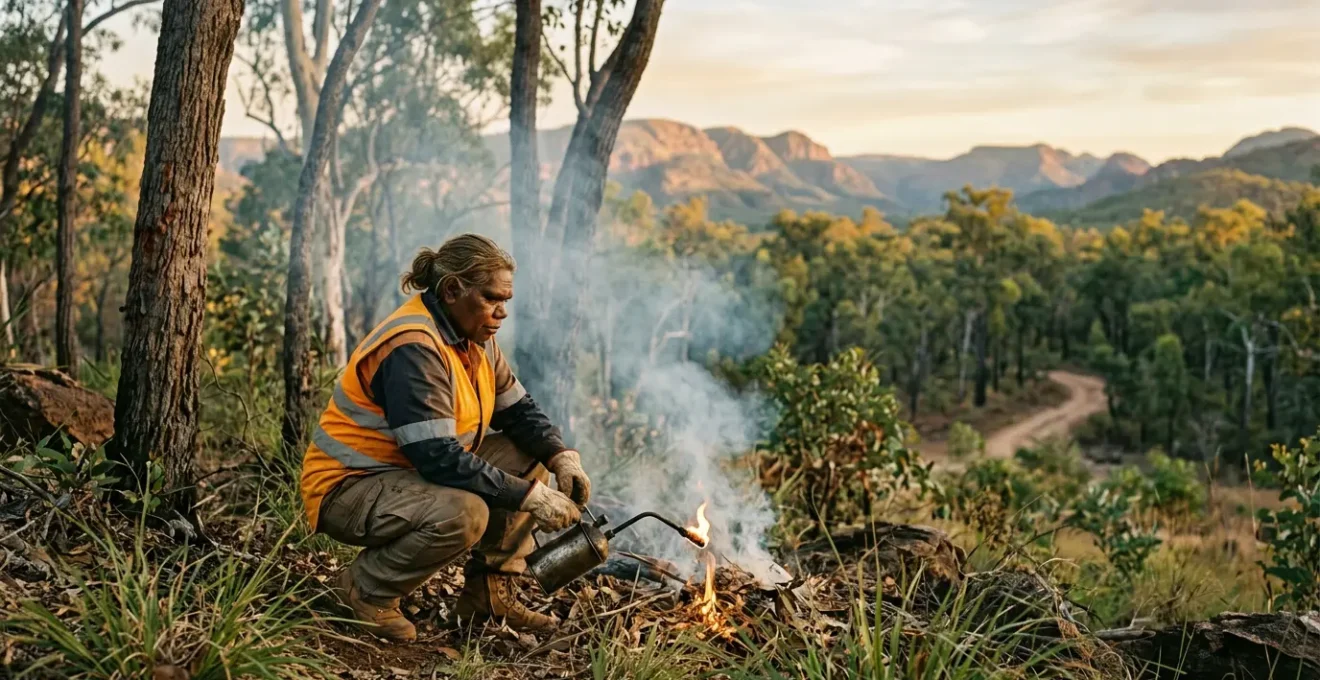
The key difference in bushfire management isn’t the fire itself, but the philosophy: Indigenous Rangers practice a holistic land stewardship where fire is just one integrated tool, not a standalone solution.
- This system treats the landscape as an interconnected whole, where cultural heritage, biodiversity, and fire management are inseparable.
- It relies on ‘reading Country’—deep, nuanced observation—rather than generic danger ratings, leading to demonstrably better ecological and carbon outcomes.
Recommendation: To support this approach, tourists should seek out certified operators who can demonstrate genuine partnership with Traditional Owners and direct community benefits.
The imagery of modern Australian bushfires is one of catastrophic force: towering flame fronts, scorched earth, and a desperate battle between firefighters and an uncontrollable element. The conventional response, often termed ‘hazard reduction burning’, is a blunt instrument designed to reduce fuel loads. But it operates from a place of conflict—a war against fire. This approach often overlooks the intricate ecology of the Australian bush, which has been shaped by fire for millennia.
What if the entire premise of ‘fighting’ fire is flawed? This is where the work of Indigenous Rangers offers a profound paradigm shift. Their approach, often simplified as ‘cultural burning’ or ‘cool burning’, is frequently misunderstood as merely lighting smaller, slower fires. This misses the point entirely. The true difference is not a matter of technique but of philosophy. It is a holistic system of care, a practice of ‘reading Country’, where fire is used with surgical precision as one tool among many to maintain the health of a complex ecological and cultural system.
This approach moves beyond simple fuel reduction to achieve a mosaic of benefits: protecting cultural sites, controlling feral pests, encouraging the growth of bush tucker, and fulfilling cultural responsibilities. It is a fundamental re-framing from land ‘management’ to land ‘stewardship’, a partnership with the environment rather than a battle against it. This article explores the multifaceted reality of this work, demonstrating how it represents a more sophisticated and sustainable way of living with fire.
To fully grasp this holistic methodology, we will examine the key pillars that define the work of Indigenous Rangers, from formal government partnerships and cultural site protection to the tangible economic and ecological outcomes of their stewardship.
Summary: Understanding the Integrated System of Indigenous Land Management
- Joint Management Boards: How Do Parks Victoria and Traditional Owners Work Together?
- Why Are Some Parts of Grampians National Park Closed to Climbers?
- Feral Cat Control: How Are Rangers Saving Small Mammals?
- Bush Tucker Knowledge: How Do Custodians Identify Edible Plants?
- Visitor Impact Fees: Should Tourists Pay More to Enter Sensitive Areas?
- Bushfire Season: How to Read the « Fire Danger Rating » Signs?
- Greenwashing vs Certified: How to Spot a Truly Sustainable Lodge in Tasmania?
- Authentic Indigenous Tours: How to Verify Aboriginal Ownership?
Joint Management Boards: How Do Parks Victoria and Traditional Owners Work Together?
The integration of Traditional Owner knowledge into mainstream land management is not an informal process; it is increasingly structured through formal, legislated partnerships. In Victoria, Joint Management agreements represent a significant shift, creating a framework where Traditional Owners and government agencies like Parks Victoria share responsibility and decision-making for national parks. This co-governance model moves beyond mere consultation to establish Traditional Owners as rightful partners in managing their ancestral lands.
Under these agreements, Traditional Owner Land Management Boards are established with a majority of members appointed by the Traditional Owner group. These boards work with Parks Victoria to develop a Joint Management Plan that guides all activities in the park. According to Parks Victoria’s joint management framework, this model now applies to over 10 parks and reserves transferred to Aboriginal Title, involving four distinct Traditional Owner groups. This structure ensures that cultural values and ecological knowledge are embedded in operational decisions, from fire management to visitor infrastructure.
Case Study: Gunaikurnai Joint Management
Since their 2010 recognition, the Gunaikurnai people have jointly managed ten parks in Victoria’s Gippsland region. This partnership has enabled a holistic approach, where cultural burning is integrated with other priorities like controlling environmental weeds and managing pest animals. At Barmah National Park, for instance, joint management has focused on restoring natural seasonal flooding regimes vital for the ecosystem’s health, a nuanced goal that goes far beyond simple fuel reduction or recreation management.
This formalised collaboration is the structural backbone of effective stewardship. It ensures that Indigenous expertise is not just an advisory input but a directing force in how Country is cared for, creating a powerful synergy between ancient wisdom and modern governance.
Why Are Some Parts of Grampians National Park Closed to Climbers?
Holistic land management extends far beyond flora and fauna; it encompasses the protection of cultural and spiritual heritage embedded in the landscape. The controversial closure of certain rock-climbing areas in the Grampians National Park (known as Gariwerd to Traditional Owners) is a clear example of this principle in action. From a purely recreational perspective, the closures seemed restrictive. However, from a land stewardship perspective, they were an essential act of cultural preservation.
Gariwerd is not just a collection of rock formations; it is a sacred cultural landscape. The area has one of the highest concentrations of Aboriginal rock art in southern Australia, with a rich history of ceremony and storytelling etched into its sandstone cliffs. Parks Victoria notes that the landscape contains more than 500 registered Aboriginal places, with many of these delicate sites located in or near popular climbing routes. The use of climbing equipment, chalk, and the physical traffic of people can cause irreversible damage to these ancient artworks and disturb the spiritual integrity of the sites.
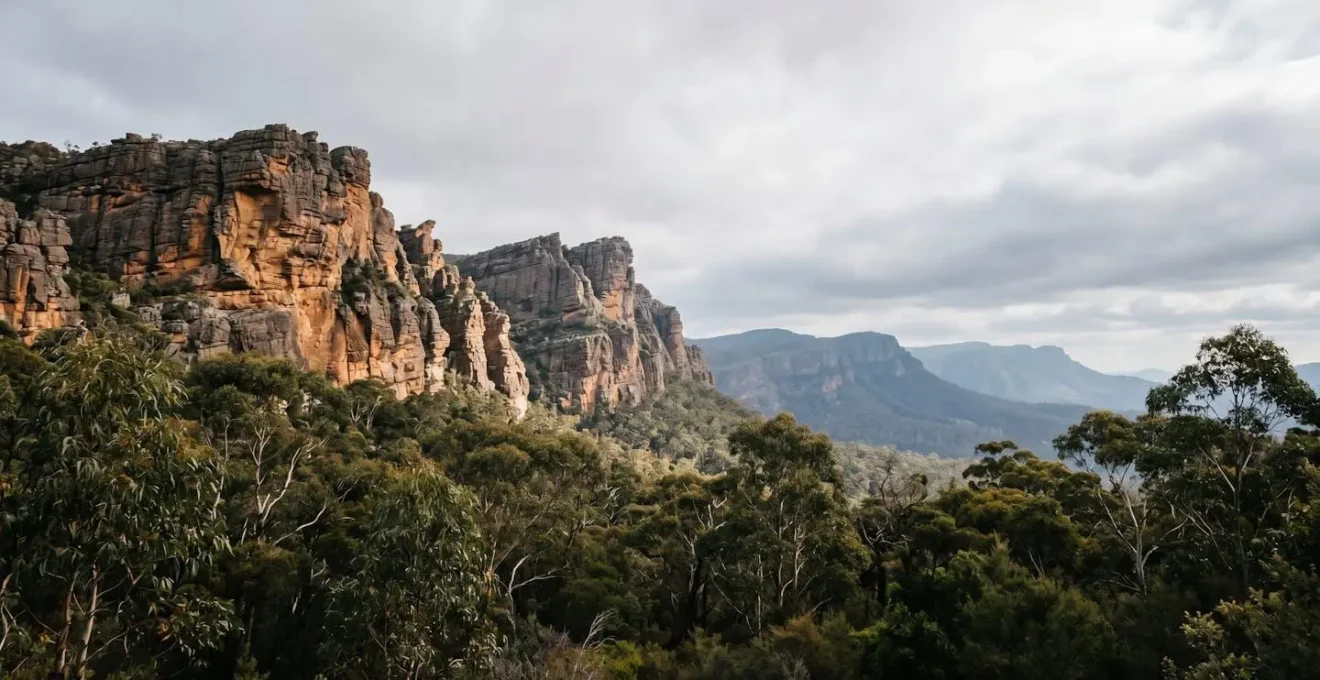
The decision to close these areas, made in consultation with Traditional Owners, prioritises the long-term protection of irreplaceable cultural heritage over short-term recreational access. It illustrates a core tenet of Indigenous land management: the health of the land is inseparable from the health and continuity of its culture. Protecting a sacred site is as fundamental as protecting an endangered species, as both are vital components of a living, breathing Country.
Feral Cat Control: How Are Rangers Saving Small Mammals?
A healthy Country is one in balance, and a significant part of Indigenous Ranger work involves tackling threats that disrupt that balance. One of the most devastating of these is the impact of invasive species. Feral cats, in particular, are a catastrophic force in Australia. According to federal government data, an estimated 1.5 billion native mammals, birds, reptiles, and frogs are killed by them annually. This puts immense pressure on ecosystems and undermines other conservation efforts.
Indigenous Rangers are on the frontline of this battle, combining deep ecological knowledge with targeted, effective methods. Their approach is often more nuanced and less disruptive than broad-scale baiting programs. Traditional tracking skills, passed down through generations, allow rangers to understand animal behaviour and hunt with incredible efficiency. This is not a random or opportunistic activity, but a highly skilled, labour-intensive practice of reading the landscape for signs and patterns.
Case Study: Kiwirrkurra Indigenous Hunting Success
In the Kiwirrkurra Indigenous Protected Area, expert Martu trackers have demonstrated the profound effectiveness of traditional hunting. Over a seven-year period, their focused efforts removed over 200 feral cats. The result was a measurable ecological recovery, including a significant increase in the number of active burrows of the Tjalapa (Great Desert Skink), a culturally important species. This success is built on an intimate knowledge of the sandy terrain and cat behaviour, with hunts specifically targeting these predators.
The value of this approach is also recognised by Western science. An expert panel in the Wildlife Research journal, after reviewing various methods, highlighted its benefits, noting:
Tracking with detector dogs and tracking by Indigenous Rangers were considered least likely to have negative impacts on native, non-target fauna.
– Expert panel, Wildlife Research journal – Feral cat management practices study
This demonstrates how Traditional Ecological Knowledge (TEK) provides a highly effective and ecologically sensitive solution to one of Australia’s most pressing conservation challenges, forming another crucial pillar of holistic land stewardship.
Bush Tucker Knowledge: How Do Custodians Identify Edible Plants?
The practice of cultural burning is intrinsically linked to the concept of the landscape as a provider. For Indigenous custodians, fire is not a destructive force but a tool of rejuvenation used to manage resources, including ‘bush tucker’—the vast array of native plants and animals used for food and medicine. The ability to identify and cultivate these resources is a sophisticated body of knowledge, and fire is a key technique for ensuring their abundance and accessibility.
Custodians ‘read Country’ to know when and where to burn. A ‘cool’ fire, for example, might be used to clear dense, overgrown grasses, making it easier to hunt animals like goannas or kangaroos. More importantly, the fire stimulates the regeneration of specific plants. The ash provides nutrients to the soil, and the heat can trigger the germination of dormant seeds. Many edible plants, such as certain yams or lilies, thrive after a burn, producing fresh, tender shoots. This is a form of active ecological cultivation, a sustainable food production system that has operated for millennia.
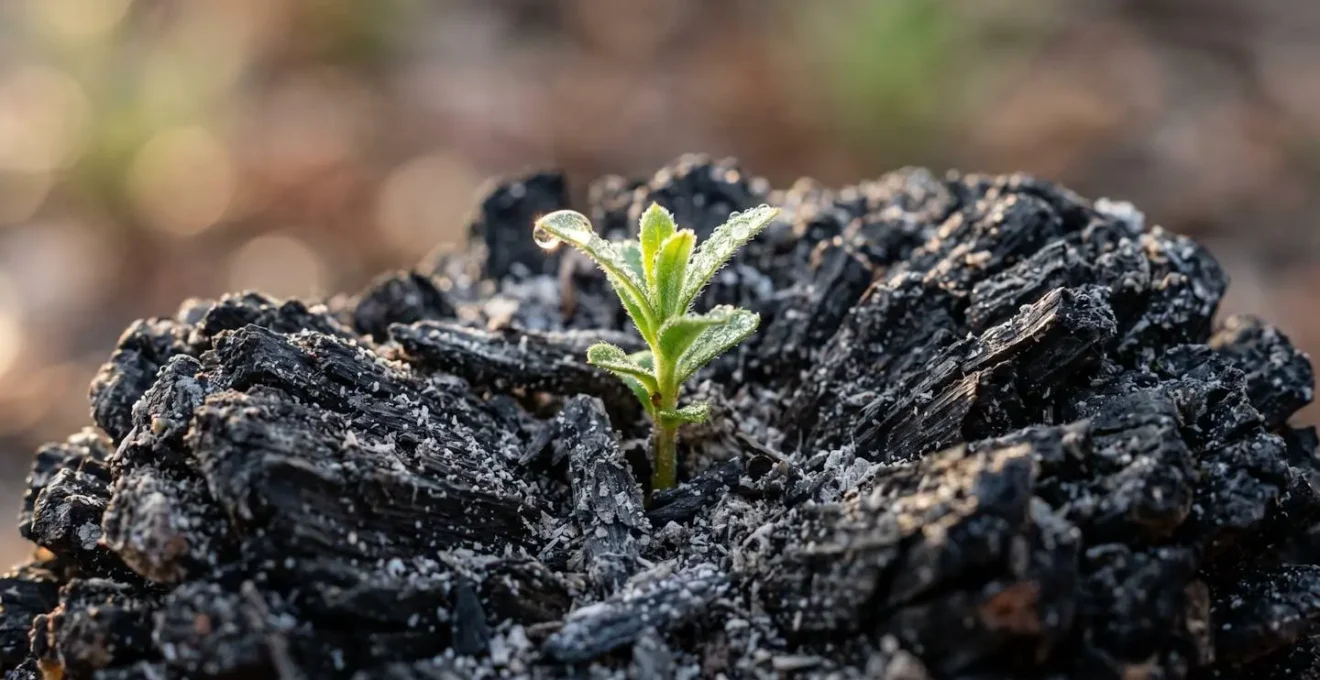
This knowledge is not static; it is a living tradition passed down through generations. As the WWF-Australia Indigenous Engagement team notes, « Cultural burning is an important way for Elders to pass on their Traditional Knowledge to younger generations. » This act of managing the land is also an act of teaching, ensuring that the deep understanding of plant cycles, soil types, and fire behaviour continues. Identifying edible plants is therefore not just a matter of botanical knowledge, but of understanding the entire ecological system and how to actively maintain its productivity.
Visitor Impact Fees: Should Tourists Pay More to Enter Sensitive Areas?
The vital work performed by Indigenous Rangers requires sustained investment. While the ecological and cultural benefits are immense, these programs are also significant economic drivers, creating jobs on Country and building local capacity. The discussion around visitor impact fees, therefore, is not just about cost recovery; it’s about creating a sustainable economic model where those who enjoy the land contribute directly to its care.
Funding for Indigenous Ranger programs comes from a variety of sources, including significant government support. For instance, the Australian Government has committed a $1.3 billion investment from 2021-2028, with a goal of supporting 3,800 ranger positions by 2030. However, creating a direct link between tourism and conservation funding through park fees provides a powerful, tangible connection for visitors. It reframes the entry fee not as a mere ticket, but as an active contribution to stewardship.
When these fees are channelled correctly within joint management structures, they can directly support the very activities that protect the park’s value. This creates a virtuous cycle where tourism helps fund the preservation of the natural and cultural assets that attract visitors in the first place. This funding can be allocated to a range of critical on-ground activities, including:
- Joint Management Ranger teams: Supporting dedicated Traditional Owner ranger positions within the park.
- Cultural site restoration: Providing direct funds for the conservation of rock art, scarred trees, and other sensitive sites.
- On-country youth programs: Fostering knowledge transfer through initiatives like Junior Rangers.
- TEK integration: Resourcing cultural burning programs and biodiversity monitoring led by Traditional Owners.
Proposing that tourists pay more is about recognising the true cost of maintaining these precious landscapes and ensuring that the economic benefits flow back to the traditional custodians who are best placed to care for them.
Bushfire Season: How to Read the « Fire Danger Rating » Signs?
During bushfire season, Australians are accustomed to seeing the standardised « Fire Danger Rating » signs. These signs, with their colour-coded levels from ‘Moderate’ to ‘Catastrophic’, are a product of Western scientific modeling. They synthesise data on temperature, humidity, wind speed, and fuel load into a single, simplified output. This system is designed for broad public communication and is fundamentally reactive, telling us how a fire might behave if one starts. It is a system based on predicting danger.
The Indigenous approach to fire is fundamentally different. Instead of relying on a generic rating, it is based on ‘reading Country’—a deep, holistic understanding of the landscape’s current state. This involves observing hundreds of subtle cues: Which way are the ants building their nests? Are the leaves on a certain tree curling? Is a particular flower blooming earlier or later than usual? This is not folklore; it is a complex, data-driven process based on millennia of observation. It determines the ‘right time’ for fire, not just the ‘dangerous time’.
Case Study: Northern Australia’s Savanna Burning Success
The success of this approach is not just small-scale. Indigenous-led savanna burning projects in northern Australia are considered one of the world’s most effective fire management systems. By reintroducing traditional ‘cool’ burning regimes early in the dry season, rangers have drastically reduced the frequency of large, destructive late-season wildfires. Over a seven-year period, this led to a reduction of over 7 million tonnes of CO2 equivalent emissions. Rangers achieve this by combining customary knowledge with modern tools like helicopters and satellite mapping to manage vast areas, proving the approach is both scalable and highly effective for carbon abatement.
This contrasts sharply with a simple danger rating. ‘Reading Country’ is a proactive, nuanced practice of stewardship that uses fire to create resilience, rather than simply warning of its potential for destruction. It acknowledges that fire is a natural and necessary part of the ecosystem, to be used with wisdom, not just feared.
Greenwashing vs Certified: How to Spot a Truly Sustainable Lodge in Tasmania?
For the eco-tourist, supporting authentic, sustainable practices is paramount. However, the tourism industry is rife with ‘greenwashing’—vague claims of being ‘eco-friendly’ or ‘nature-based’ without substantive action. This is particularly true when it comes to engagement with Indigenous culture. A truly sustainable lodge, whether in Tasmania or elsewhere in Australia, must demonstrate genuine, respectful, and reciprocal relationships with the Traditional Owners of the land it operates on.
Simply being located in a beautiful natural setting is not enough. Sustainability must encompass cultural integrity. This means going beyond superficial gestures like displaying Aboriginal art (which may not even be from the local area) or a generic Acknowledgement of Country. True partnership involves co-design, employment, and benefit-sharing. It means the lodge’s management has actively sought guidance from local Elders and has integrated cultural protocols into its operations in a meaningful way.
To help travellers cut through the greenwashing, it’s essential to look for concrete evidence of this partnership. Asking direct questions and looking for specific certifications can reveal the true nature of a lodge’s commitment. A business that is genuinely engaged will be proud to share the details of its relationships and its contributions to the local Indigenous community.
Your Checklist for Indigenous-Respectful Tourism
- Commitment to Indigenous Employment: Check the lodge’s public policies. Do they actively hire Traditional Owners in management and guide roles, or only in entry-level positions?
- Cultural Certification: Look for ‘Respecting Our Culture’ (ROC) or similar certifications that specifically verify respectful relationships with local Indigenous communities, beyond just environmental metrics.
- Supply Chain Transparency: Ask if the lodge sources food, art, and tour partnerships from verified Indigenous-owned businesses, and whether these arrangements ensure fair compensation.
- Engagement in Cultural Protocols: Verify that the lodge has engaged Traditional Owners in its development and continues to consult them in ongoing operations, including how the landscape and culture are interpreted for guests.
- Direct Community Benefit: Inquire how the business directly supports the local Indigenous community, for example, through funding for ranger programs, cultural preservation initiatives, or youth education.
Using this framework allows travellers to make informed choices and direct their spending towards operators who are genuine partners in cultural and ecological stewardship, rather than just profiting from it.
Key Takeaways
- Indigenous land management is a holistic system where fire is just one tool among many, integrated with cultural, ecological, and economic goals.
- This approach is based on ‘reading Country’—a deep, observational knowledge that creates resilience, rather than simply reacting to danger.
- Effective stewardship is increasingly structured through formal Joint Management partnerships that empower Traditional Owners in decision-making.
Authentic Indigenous Tours: How to Verify Aboriginal Ownership?
The most direct way for eco-tourists to support Indigenous stewardship is by participating in tourism experiences that are 100% owned and operated by Aboriginal people. These tours offer an unparalleled opportunity to learn about Country from those whose connection to it spans millennia. However, just as with accommodation, it is crucial to be able to distinguish truly authentic, Indigenous-owned businesses from those that are not.
The term ‘Indigenous tour’ can be misleading. Some businesses may employ an Aboriginal guide but have non-Indigenous ownership, meaning the majority of the economic benefit does not flow back to the community. A genuine experience is one where the stories, knowledge, and authority come directly from the custodians of that specific Country, and where the business structure ensures self-determination. The Indigenous Rangers Program currently supports over 320+ ranger groups across 159 organizations, many of whom are involved in or partnered with tourism ventures on their land.
Verifying authenticity requires respectful inquiry. Genuine operators will welcome questions about their connection to Country and their business structure, as it demonstrates a visitor’s commitment to engaging respectfully. The following questions can serve as a guide for travellers:
- Connection to Country: « What is your family’s connection to this specific Country we’ll be visiting? » Authentic knowledge is tied to ancestral land, not just a general Indigenous identity.
- Ownership Structure: « Is this tour business 100% Indigenous-owned? » You can often verify this through official resources like local Aboriginal Land Council websites or national Indigenous business directories.
- Knowledge Transmission: « How are stories shared—is it through your family’s oral tradition or from a script? » Authentic experiences prioritise personal stories and dialogue over a rote performance.
- Community Benefit: « How does this tour directly support your community? » Look for specific answers about local employment, cultural preservation funding, or youth programs.
- Cultural Protocols: « How do you ensure visitors respect cultural protocols during the experience? » A genuine operator will be able to explain the specific dos and don’ts for that Country.
–
By asking these questions, you not only ensure your money is supporting Indigenous self-determination but also enrich your own experience, guaranteeing a deeper and more meaningful connection to the land you are visiting.
Your travel choices have a direct impact. By applying these verification checklists and choosing to support certified lodges and 100% Indigenous-owned tours, you actively contribute to the continuation of the world’s oldest living cultures and the sustainable management of the Australian continent. Make your next journey a meaningful one.