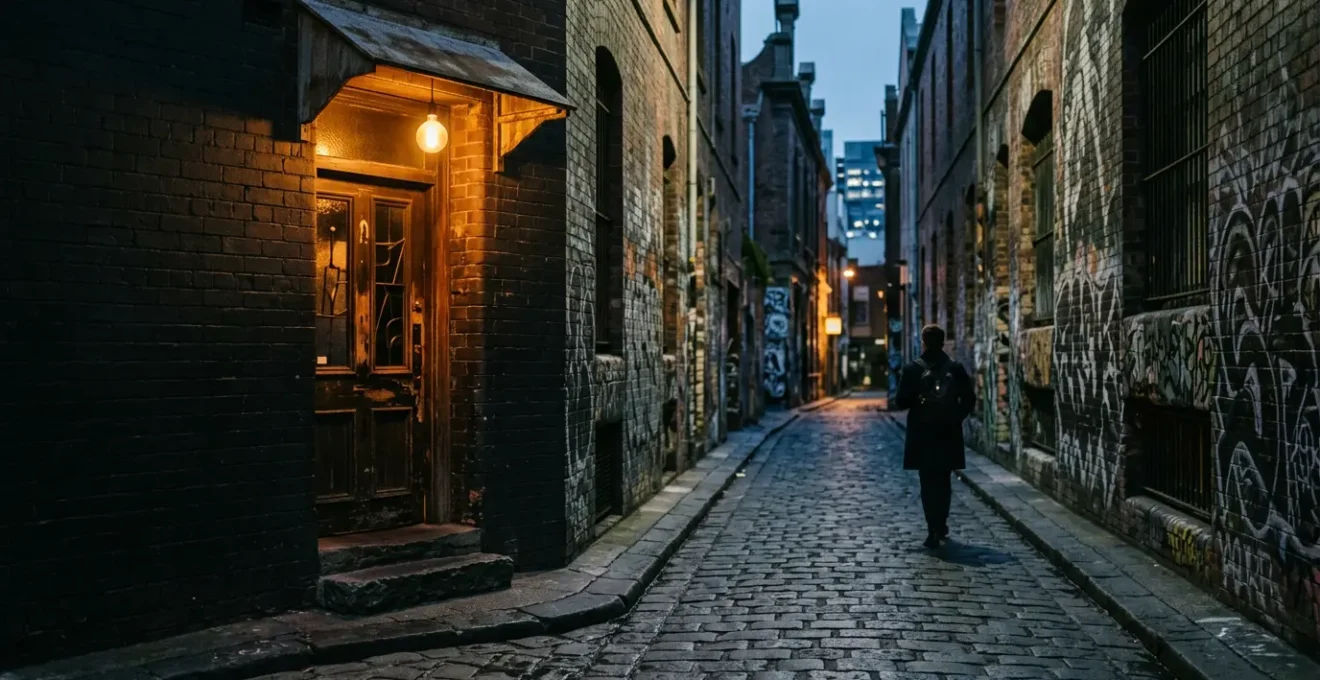
Safety in Melbourne’s laneways isn’t about avoiding dark alleys; it’s about mastering the insider’s method of discovery to move with confidence.
- True exploration uses sensory cues—the smell of coffee, the sound of jazz—not just Google Maps.
- The most authentic hidden spots operate on unwritten rules of etiquette that separate locals from tourists.
Recommendation: Cultivate ‘informed awareness’ by learning to read the environment. This skill, not fear, is your key to unlocking the city’s best-kept secrets.
There’s a persistent hum in Melbourne, a cultural electricity that doesn’t emanate from the grand boulevards but from its labyrinthine laneways. For the urban explorer, the promise of a hidden, hole-in-the-wall café or a bar behind an unmarked door is the city’s ultimate siren song. Yet, this allure is often tempered by a valid concern: how safe is it, really, to wander down these dimly lit corridors at night? You’ve heard the standard advice—stick to well-lit areas, tell a friend your plans—but this cautious approach often keeps you on the tourist trail, far from the authentic heart of the city.
The common wisdom suggests that safety is a matter of avoidance. You might be told to stick to the famous, crowded laneways or to rely solely on online reviews and maps. This turns the thrill of discovery into a pre-planned itinerary, robbing you of the serendipity that makes Melbourne’s culture so special. But what if the secret to navigating the laneways with confidence isn’t about limiting your exploration, but about upgrading your perception? What if safety isn’t a location, but a skill?
This guide abandons the generic warnings and instead hands you the concierge’s keys to the city. We will decode the subtle language of the laneways, teaching you how to read the environment like a local. Forget simply following a map; you’re about to learn the art of ‘sensory navigation.’ We will explore the nuanced etiquette of these intimate spaces, delve into the stories behind the iconic street art, and cover the practicalities that other guides ignore, from wheelchair accessibility to bringing those perfect coffee beans home. This is your training manual for becoming a true laneway connoisseur, moving with purpose and informed awareness.
This article provides a complete framework for exploring Melbourne’s hidden culture with an insider’s perspective. The following sections will guide you through the city’s most famous debates, teach you discovery techniques, and answer the practical questions every savvy traveller has.
Summary: Your Guide to Mastering Melbourne’s Laneway Culture
- Degraves Street vs Centre Place: Which Is the Real « Diagon Alley »?
- How to Find « No Name » Cafes Without relying on Google Maps?
- Instagram Etiquette: When Is It Rude to Photograph Diners in Tiny Lanes?
- Street Art Tours: Who Are the Artists Behind the Hosier Lane Murals?
- Wheelchair Access in Laneways: Which Famous Spots Are Actually Accessible?
- Kings Cross or Newtown: Which Sydney Precinct Is Safer for Solo Travellers?
- Asian Supermarkets: What Can You Find There That Coles Doesn’t Sell?
- Buying Coffee Beans: Can You Bring Them Back to the UK Customs?
Degraves Street vs Centre Place: Which Is the Real « Diagon Alley »?
The comparison of Melbourne’s laneways to Harry Potter’s Diagon Alley is common, but it misses the nuance. The question isn’t which lane *is* Diagon Alley, but which *kind* of magic you’re looking for. Degraves Street is the obvious candidate: bustling, packed with European-style cafés, and buzzing with a palpable, tourist-friendly energy. As one visitor notes, Degraves Street is « packed with cafes offering many choices for either a quick snack or a long leisurely breakfast. » It’s the public-facing, vibrant thoroughfare where the magic is on full display.
Centre Place, its twin across Flinders Lane, offers a different experience. It’s grittier, narrower, and more intimate. While tourists flock to Degraves for a seated meal, TripAdvisor reviewers have noted that Centre Place is where you’ll find locals grabbing lunch on the run from informal food stalls. It has a more authentic, less presentational feel. This distinction is rooted in its history; Centre Place became one of the first generation of revitalized laneways in the 1980s, setting the template for the city’s laneway culture. It’s less of a polished movie set and more of a living, breathing artery of the city.
So, which is the real Diagon Alley? Degraves is the grand entrance, where you buy your wand and marvel at the spectacle. Centre Place is the Knockturn Alley equivalent—not in a sinister sense, but in its authenticity and insider appeal. It’s where those who know the city go for quick, quality bites away from the main crowds. For the new explorer, Degraves is the perfect, safe entry point. For the seasoned one, Centre Place offers a more genuine slice of Melbourne life.
How to Find « No Name » Cafes Without relying on Google Maps?
The most rewarding discoveries in Melbourne are the ones that don’t appear on a map. These « no name » bars and cafés are the city’s best-kept secrets, and finding them requires you to put away your phone and engage in sensory navigation. This isn’t about aimless wandering; it’s a deliberate method of reading the subtle clues the city leaves for those who are paying attention. It’s about trusting your senses over an algorithm.
Instead of searching for a name, you search for a feeling, a sound, or a smell. This means honing your awareness to pick up on specific discovery cues. Is that the faint aroma of freshly ground single-origin coffee cutting through the city air? Is that the muffled sound of a jazz trio coming from behind a graffiti-covered door? These are the breadcrumbs. The key is to look for signs of life and quality where you least expect them: a single, artfully placed exposed bulb over an unmarked entrance, a well-worn doormat leading into a dark hallway, or a cluster of curated stickers on a door that otherwise looks abandoned.
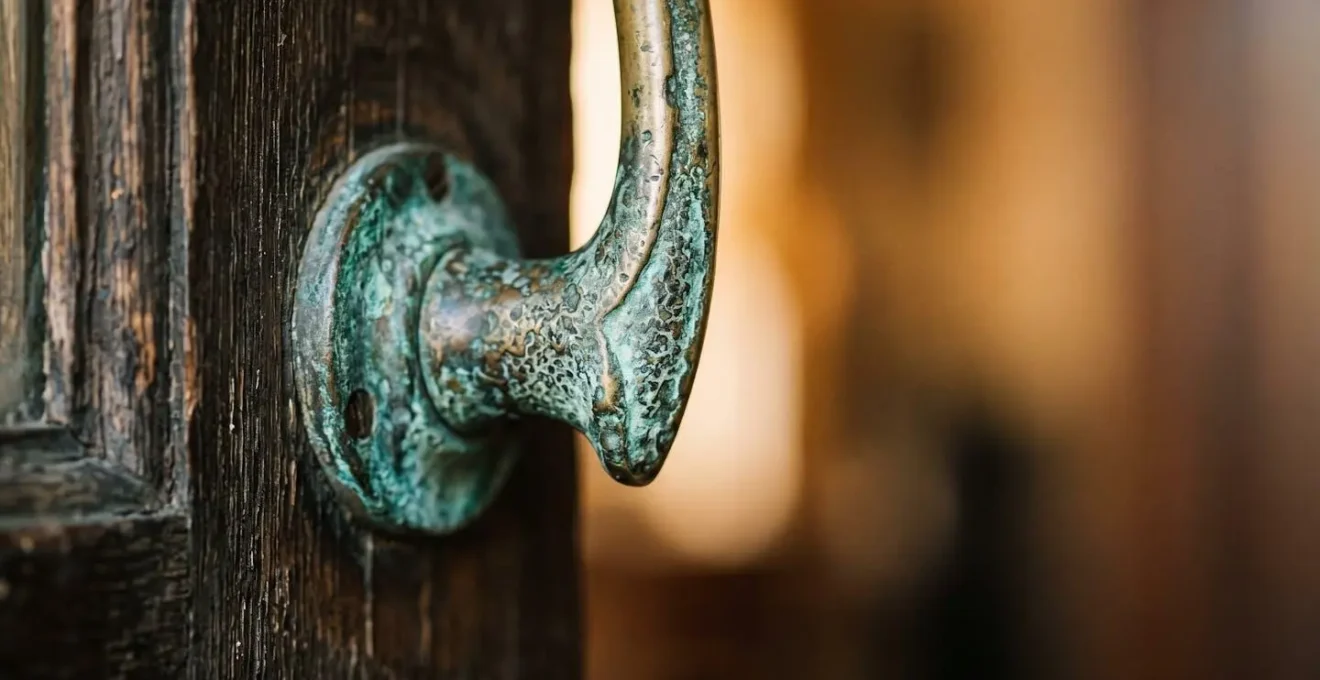
This method extends to observing human behaviour. A small, unexplained queue of well-dressed people is often a dead giveaway for a hidden-gem venue. To take it a step further, embrace the ‘laneway-within-a-laneway’ phenomenon and explore the smaller, unnamed alleys that branch off from the main ones. Don’t be afraid to ask for local secrets, but be specific. Instead of asking a bartender « what’s good around here? », try asking the staff at an independent record or book store, « I’m looking for a quiet spot with great filter coffee, any recommendations? » This targeted approach signals you’re a discerning explorer, not just another tourist.
Instagram Etiquette: When Is It Rude to Photograph Diners in Tiny Lanes?
Melbourne’s laneways are undeniably photogenic. The graffiti-covered walls have become a popular backdrop for everything from fashion shoots to wedding photography. However, a critical distinction exists between photographing public art and photographing people in private moments. In the close confines of a laneway café, the line between appreciating the atmosphere and intruding on someone’s space is incredibly thin. The number one rule of laneway etiquette is to respect the atmospheric threshold.
When you step from the public laneway into a tiny, ten-seat eatery, you are entering a semi-private space. The other diners are not part of the scenery; they are patrons paying for an experience. Aiming your camera and taking wide shots that include other people without their permission is a major faux pas. It shatters the intimate, cocoon-like atmosphere that makes these places special. It signals you as a tourist who sees the venue as a backdrop, not as a space to be inhabited.
So, when is it acceptable? First, focus your lens on what you’re consuming—the beautifully presented coffee, the plate of food, the curated details of your own table. If you want to capture the ambiance, do it discreetly and without including identifiable faces. A quick, subtle shot of the bar or a design detail is generally fine. Flashes are never okay. Tripods or extensive gear are an absolute no-go. If you’re unsure, the most respectful approach is always to ask the staff. A simple, « Do you mind if I take a quick photo? » shows courtesy and an awareness of the environment.
Street Art Tours: Who Are the Artists Behind the Hosier Lane Murals?
Hosier Lane is more than just a colourful alley; it’s an open-air gallery with a rich history and a rotating cast of artists. While many visitors snap a photo and move on, understanding who is behind the art transforms the experience from passive viewing to active appreciation. Its status as a creative space isn’t accidental; Hosier Lane officially opened as a Street Art Gallery in 1998 by the City Lights Initiative, cementing its role in Melbourne’s cultural fabric. The art here is ephemeral, with walls being painted over constantly, making each visit unique.
Case Study: The « All Your Walls » Transformation
To understand the scale and collaborative spirit of the scene, look no further than the « All Your Walls » event in November 2013. As documented by Google Arts & Culture, this project, organized by local collectives, saw both Hosier and Rutledge Lanes entirely « buffed » (painted over in black) and then completely transformed from top to bottom by over 100 local graffiti and street artists. This event celebrated the art form’s cultural significance and featured a who’s who of the Melbourne scene, including artists like Adnate, known for his stunning, large-scale photorealistic portraits of Indigenous people, and Kaff-eine, whose work often explores social themes.
Recognizing artists’ styles is part of the fun. Beyond Adnate’s striking portraits, you might see the intricate, almost mechanical-looking work of Dem189 or the playful, character-driven pieces by Bryan Itch and Makatron. These are not just random tags; they are signatures of established artists who have shaped the city’s visual identity. Taking a formal street art tour is a fantastic way to get an expert-led crash course, but you can also start by simply looking for artist names or Instagram handles signed next to pieces.
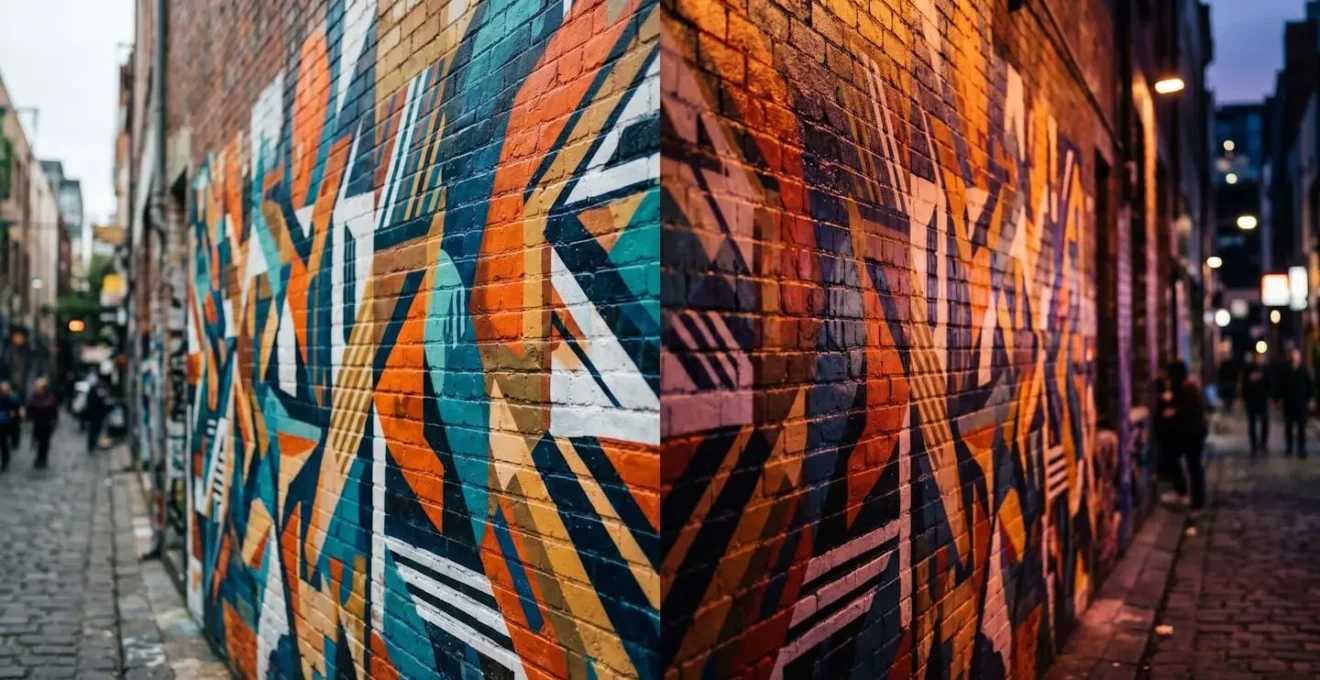
Following these artists online provides a deeper connection, offering insight into their process and alerting you to new works as they appear. It changes your perception from « that’s a cool painting » to « that’s a new piece by Adnate. » This level of informed awareness is what separates a tourist from a true urban explorer.
Wheelchair Access in Laneways: Which Famous Spots Are Actually Accessible?
The historic charm of Melbourne’s laneways, with their narrow profiles and heritage buildings, can present significant challenges for accessibility. Cobblestones, single-step entrances, and tightly packed tables can turn a planned outing into a frustrating experience for wheelchair users or anyone with mobility needs. However, the city and its venues are increasingly prioritizing inclusivity. Knowing what to look for is key to navigating the laneways with confidence and ease.
According to a case study by DisabilityCo, some of the most famous laneways are surprisingly accommodating. They identify Degraves Street and Hardware Lane as particularly wheelchair-friendly options, largely due to their smoother paved surfaces and wider pathways that facilitate outdoor seating and clear entryways. These are a stark contrast to some of the narrower, more rustic lanes. The City of Melbourne reinforces this, noting that many venues, from bakeries to cafes, « offer easy entry for people with disabilities, accessible toilets, and are inclusive to all. » The challenge is identifying them before you go.
Instead of relying on vague promises, a proactive approach is best. This involves conducting a quick ‘virtual audit’ using online tools or a ‘real-world audit’ if you’re nearby. Look for photos that show flat, paved surfaces versus uneven cobblestones. Check venue websites for accessibility statements or call ahead to ask about specific details like door width and the presence of accessible restrooms. True accessibility goes beyond just getting in the door.
Your Laneway Accessibility Checklist: Key Points to Verify
- Surface Assessment: Is the laneway surface smooth pavement or difficult-to-navigate cobblestones? Check street view imagery beforehand.
- Entry Evaluation: Does the entrance have a step? Look for photos showing a level threshold. A standard wheelchair needs a minimum door width of 32 inches (81cm).
- Furniture Spacing: Can you maneuver inside? A clear path of at least 36 inches (91cm) between tables is necessary.
- Service Height: Is the ordering counter accessible? Look for a section of the bar or counter that is no higher than 34 inches (86cm).
- Bathroom Access: Does the venue have a dedicated accessible toilet with grab bars and a proper turning radius? This is often the biggest hurdle.
Kings Cross or Newtown: Which Sydney Precinct Is Safer for Solo Travellers?
While many travellers weigh the safety of Sydney precincts like Kings Cross versus Newtown, the underlying principles of urban exploration are universal. To build a reliable ‘safety framework’ you can apply anywhere, let’s deconstruct the nuanced environment of Melbourne’s laneways—a masterclass in risk perception. Understanding this model will give you the tools to assess any city’s hidden corners, Sydney included.
Safety is not an absolute. It’s a combination of foot traffic, lighting, sightlines, and general atmosphere. Some travellers feel safer in a bustling, well-lit crowd, while others feel more secure in a quiet, exclusive space. As Visit Melbourne notes in its comparison of Degraves and Centre Place, « Degraves offers better lighting and open sightlines, which feels more secure for anxious solo travelers at night. Centre Place’s narrowness can feel more intimidating but also more exclusive and protected from street-level chaos. » This highlights the subjective nature of perceived safety.
To move beyond perception, we can use a more objective framework. The following table breaks down different types of Melbourne laneway zones, giving you a model to apply when assessing an area, whether it’s in Melbourne, Sydney, or beyond.
| Laneway Zone | Foot Traffic Level | Lighting Quality | Police Presence | Perception Score | Safety Recommendation |
|---|---|---|---|---|---|
| Flinders St Station Area (Degraves/Hosier) | Very High | Excellent – Street & ambient | Regular patrols | High – tourist-heavy, busy | Ideal for first-timers & solo travelers |
| Centre Place | High | Good – overhead & projecting lights | Moderate | Medium-High – narrow but well-traveled | Safe with normal awareness |
| Northern CBD Industrial Lanes | Low to Medium | Variable – some dark sections | Occasional | Medium – quieter, requires awareness | Best visited during daylight or with groups |
| Southbank Promenade | Very High | Excellent – waterfront lighting | High visibility | Very High – open, busy | Safe at all hours |
This data-driven approach shows that ‘safety’ depends on the zone. Areas near major hubs like Flinders Street Station are busy and well-policed, making them great for beginners. Quieter, industrial lanes in the northern part of the CBD require more situational awareness and are often best explored with company or during the day. This framework empowers you to make informed decisions rather than relying on generalized fear.
Key Takeaways
- True laneway discovery relies on ‘sensory navigation’—using smell, sound, and sight over maps.
- Respect the ‘atmospheric threshold’ by practicing discreet photography and being mindful of other patrons’ privacy.
- ‘Informed awareness’, from knowing street artists to assessing a lane’s safety profile, is the key to confident exploration.
Asian Supermarkets: What Can You Find There That Coles Doesn’t Sell?
What can you find in a specialty Asian supermarket that you can’t find at Coles or Woolworths? Yuzu, shiso leaves, rare sakes—ingredients that promise a unique experience. This ‘treasure hunt’ mindset is the single most important tool for laneway exploration. The best hidden bars are the ‘rare ingredients’ of the city’s social scene, and finding them requires looking beyond the mainstream shelves and applying a different method of discovery.
Think of the city’s layout like a supermarket. The main streets are the major aisles, offering predictable, well-known chains (the Coles and Woolworths of the bar world). The famous laneways like Degraves are the popular international food aisles—exciting and full of variety, but known to everyone. The true secrets, the ‘no name’ bars, are like that one unique ingredient on a dusty top shelf in a tiny, specialist store you’d never find unless you were specifically looking for it. This is where you must apply the supermarket discovery mindset.
Start your journey at a place like KT Mart on Lonsdale Street. Notice the sheer variety and the things you don’t recognize. Now, apply that same curiosity to the streets around it. Use the ‘follow the ingredients’ method: if you see bars using yuzu or shiso in their cocktails, it’s a clue they are focused on quality and creativity. These are the venues to seek out. This approach trains your brain to look for patterns and connections, moving beyond a simple checklist of places to visit. It’s an itinerary built on curiosity, not just coordinates.
Just as you might ask a specialist grocer for advice, don’t hesitate to ask staff in these unique stores for their local recommendations. They are often neighbourhood insiders who know the real hidden gems. This treasure hunt—whether for a rare ingredient or a hidden bar—is far more rewarding than simply following the crowd.
Buying Coffee Beans: Can You Bring Them Back to the UK Customs?
After days of sensory navigation and discovering Melbourne’s finest hidden cafés, it’s only natural to want to take a piece of the experience home with you. A bag of locally roasted, specialty coffee beans is the perfect souvenir. But the question every international traveller asks is: will this be confiscated by customs? For those returning to the United Kingdom, the answer is refreshingly simple.
The key factor is whether the product is processed. Green, unroasted coffee beans are considered raw plant material and are subject to strict phytosanitary controls. However, roasted coffee has been processed at a high temperature, neutralizing any potential biosecurity risks. Because of this, UK government guidelines are quite lenient. According to food import resources, processed and packaged plant products, including roasted coffee beans, can be brought into Great Britain from any country without restrictions for personal use.
This means you don’t need a special certificate or permit. While there’s no specific quantity limit for personal use, it’s wise to keep the amount reasonable (e.g., a few bags, not a suitcase full) and to ensure the total value of your goods, including the coffee, falls under the personal allowance threshold to avoid customs duty (typically £390). It’s also best to leave the beans in their original, commercially branded packaging, as this clearly identifies them as a processed product for retail sale.
| Country/Region | Roasted Beans Status | Phytosanitary Certificate Required | Commercial Packaging Requirement |
|---|---|---|---|
| United Kingdom | Permitted without restrictions | No – processed product exemption | Recommended |
| United States | Generally permitted | No for roasted; Yes for green beans | Original packaging preferred |
| European Union | Permitted | No for roasted beans | Commercial packaging recommended |
Knowing this, you can confidently visit top laneway spots like Degraves Espresso or Jungle Juice in Centre Place and purchase their signature blends. Ask the baristas about the roast profiles and origins; buying beans becomes another act of discovery, a final, tangible memory of your time exploring the heart of Melbourne.
Armed with this insider knowledge, you are no longer just a tourist; you are an informed urban explorer. The next step is to put it into practice. Go out, engage your senses, and start discovering the Melbourne that exists beyond the map.